

In a world where smart homes are more common than pet goldfish, understanding home automation protocols is like knowing the secret handshake to the future. These protocols are the unsung heroes that allow devices to communicate, creating a seamless living experience that’s as effortless as binge-watching your favorite series. Imagine telling your coffee maker to brew while you’re still in bed—now that’s what we call a morning win!
Overview of Home Automation Protocols
Home automation protocols serve as the foundation for device communication in smart homes. These protocols enable various devices, such as lights, thermostats, and security cameras, to interact seamlessly. Zigbee, Z-Wave, and Wi-Fi emerge as the most popular standards for home automation.
Zigbee functions on low power and enables wireless communication over short distances, making it ideal for sensor networks. Z-Wave, another low-power option, operates in the sub-1 GHz frequency range, ensuring minimal interference from Wi-Fi networks. Wi-Fi supports high bandwidth applications, allowing devices to stream video and transfer larger files without lag.
Bluetooth also plays a role in home automation, primarily for short-range connections. Many smart locks and speakers utilize this protocol for simple, direct control. Thread, a relatively new protocol, connects low-power devices while ensuring enhanced reliability and security through mesh networking.
Device compatibility often hinges on these protocols, influencing device selection when planning a smart home setup. Choosing protocols that align with user needs streamlines the installation process and enhances device interoperability. Each protocol brings unique features and benefits, allowing users to customize their smart home experience.
Security represents a crucial aspect of home automation protocols. Proper encryption and authentication methods protect devices and networks from unauthorized access. Users must prioritize setups that incorporate strong security measures to safeguard their personal data and privacy.
Collectively, these protocols facilitate a cohesive smart home environment, supporting seamless interactions between smart devices. They enhance convenience, efficiency, and comfort for users, ultimately transforming living spaces.
Common Home Automation Protocols
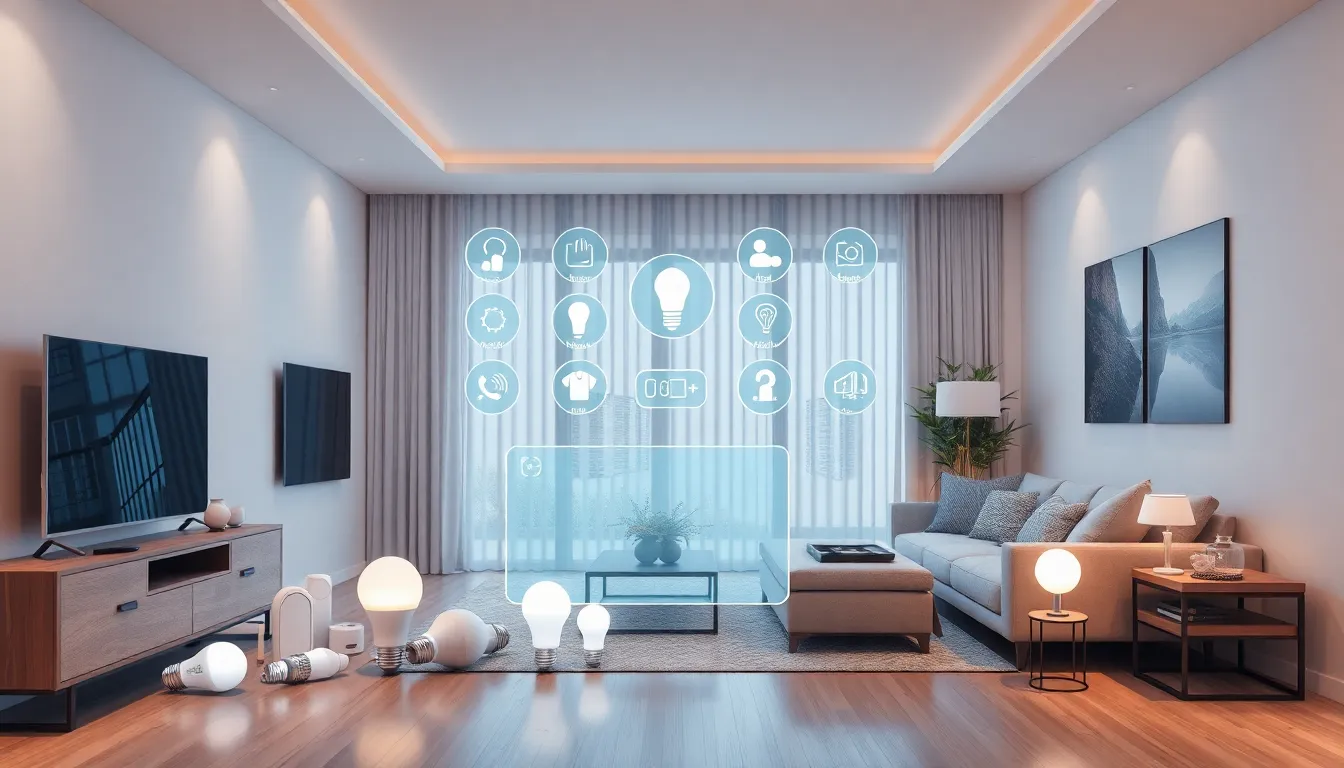
Home automation protocols serve as essential frameworks for smart home device communication. Each protocol possesses unique characteristics that cater to different needs and preferences.
Zigbee
Zigbee operates on a low-power, low-data-rate network, making it excellent for sensor and control applications. Devices connected via Zigbee communicate in a mesh network, enhancing reliability and coverage. This protocol typically supports thousands of devices per network, catering to extensive smart home setups. Its energy efficiency allows batteries to last years in devices like motion sensors and smart bulbs. Many smart home brands, including Philips Hue and Samsung SmartThings, utilize Zigbee, ensuring broad compatibility.
Z-Wave
Z-Wave also functions on a low-power, mesh network but excels in longer-range communications. This protocol typically accommodates around 232 devices per network, making it suitable for medium-sized smart homes. Manufacturers often prefer Z-Wave for its established security standards, including AES 128 encryption. Devices within this network can relay signals to each other, overcoming obstacles and extending range. Common applications include smart locks, thermostats, and lighting systems, allowing users to create automated routines.
Wi-Fi
Wi-Fi stands out for its high bandwidth capabilities, supporting data-heavy tasks such as streaming and video surveillance. This protocol connects directly to the home router, eliminating the need for additional hubs. Many popular smart home devices rely on Wi-Fi, including security cameras and smart speakers. The extensive range of Wi-Fi allows for remote access, enabling users to control devices from anywhere with an internet connection. However, Wi-Fi connections may consume more power and can sometimes lead to signal interference in dense networks.
Bluetooth
Bluetooth primarily caters to short-range communication, ideal for personal devices like smartphones and wearables. Its simplicity and low energy requirements make it a popular choice for applications like smart locks and speakers. While it supports fewer devices than Zigbee or Z-Wave, Bluetooth provides quick pairing and direct communication. Enhanced features, such as Bluetooth Mesh, extend its range and improve reliability in smart home setups. Users often appreciate Bluetooth’s forward compatibility with existing devices, ensuring a seamless integration into their ecosystems.
Advantages of Home Automation Protocols
Home automation protocols offer multiple advantages that enhance the smart home experience.
Interoperability
Interoperability allows various devices from different manufacturers to work seamlessly together. Zigbee and Z-Wave provide a fitting example with their robust mesh networking capabilities, connecting countless devices without interference. Protocols like Wi-Fi and Bluetooth also support interoperable environments but may face challenges due to higher power consumption or limited range. Integrating a diverse array of devices fosters a flexible smart home ecosystem. Users benefit from accessing and managing devices across various platforms, ensuring increased functionality and adaptability.
Energy Efficiency
Energy efficiency plays a crucial role in modern home automation. Zigbee and Z-Wave, designed for low power consumption, significantly extend battery life for devices like sensors and smart locks. Devices using these protocols can operate on small batteries that last for years, reducing waste and maintenance costs. Wi-Fi, on the other hand, while offering high data throughput, consumes more energy. Users prioritizing energy-efficient systems can save on energy bills while contributing to a more sustainable lifestyle.
User Convenience
User convenience stands out as a primary advantage of home automation protocols. Controlling home appliances via smartphones or voice assistants simplifies everyday tasks. For instance, a user can adjust lighting or thermostat settings remotely, enhancing comfort and energy savings. Bluetooth devices, known for their easy pairing, provide quick access to personal gadgets. In a well-integrated smart home, everything from coffee makers to security systems operates fluidly. This level of convenience elevates the user experience, making daily routines more manageable and enjoyable.
Challenges in Home Automation
Home automation comes with several challenges that users encounter while integrating and managing their devices. Understanding these hurdles ensures smoother implementation and enhanced experiences.
Security Concerns
Security remains a critical issue in home automation. Weaknesses in protocols may expose personal data to unauthorized access, making robust encryption essential in protecting user privacy. Zigbee and Z-Wave offer improved security features compared to others, but they’re not immune to vulnerabilities. Updates and patches are necessary to address potential threats. Awareness among users about device security can mitigate risks. Best practices like using strong passwords and secure network configurations significantly reduce exposure to security breaches.
Compatibility Issues
Compatibility issues frequently arise in home automation ecosystems. Various manufacturers produce devices that may not work seamlessly with one another, resulting in frustrating experiences for users. Zigbee and Z-Wave generally offer better interoperability, yet device counts remain limited in some cases. Protocol selection directly affects the potential for device compatibility. Users often face dilemmas when mixing brands or choosing devices based solely on features. Evaluating the compatibility of devices prior to purchase can save time and streamline the home automation experience.
Future Trends in Home Automation Protocols
Home automation protocols continue to evolve, influenced by advancements in technology and market dynamics. As these trends emerge, significant shifts in how consumers interact with smart devices will shape the future of home automation.
Emerging Technologies
Artificial intelligence and machine learning play pivotal roles in enhancing home automation protocols. These technologies enable smarter decision-making, allowing devices to learn user preferences over time. Voice recognition is becoming more sophisticated, fostering seamless control of various devices through natural language. Additionally, the advancement of 5G technology promises faster connectivity, supporting real-time communication among smart home devices. Edge computing is gaining traction as it allows data processing closer to the source, reducing latency and improving response times for smart home systems. Integrating these technologies stands to enhance the overall user experience and efficiency of home automation.
Market Predictions
The growth of the home automation market is expected to accelerate dramatically, with projections indicating a value increase to over $100 billion by 2025. Consumer demand for convenience and energy efficiency drives this trend, as more individuals adopt smart home solutions. Zigbee and Z-Wave interoperability is anticipated to remain critical for maintaining cross-device compatibility. By 2023, a significant rise in multi-protocol devices is likely, allowing seamless integration within diverse environments. Moreover, an increasing number of manufacturers are focusing on enhanced security measures, responding to consumer concerns about data privacy. As technology progresses, home automation protocols will undoubtedly evolve to meet the needs of modern households.
Home automation protocols play a crucial role in creating a connected and efficient living environment. By enabling devices to communicate seamlessly, they enhance user experience and convenience. As technology advances, these protocols will evolve to meet growing consumer demands for interoperability, energy efficiency, and security.
The future of home automation looks promising with innovations like AI and 5G on the horizon. As more multi-protocol devices hit the market, users can expect even greater integration and functionality. Staying informed about these developments will empower users to make smart choices for their homes, ensuring a comfortable and secure living space for years to come.


