In the bustling world of culinary creation, a well-oiled kitchen workflow is the secret ingredient that turns chaos into culinary masterpieces. Imagine a kitchen where every knife slice and sauté feels like a choreographed dance, leaving chefs with more time to whip up their signature dishes instead of scrambling for misplaced spatulas. A smooth workflow doesn’t just save time; it elevates the entire cooking experience.
Understanding Kitchen Workflow
Effective kitchen workflow involves several key components that streamline processes and enhance efficiency. Organization plays a pivotal role in ensuring that all tools and ingredients are easily accessible. Chefs should arrange their workstations to minimize movement, keeping frequently used items within reach.
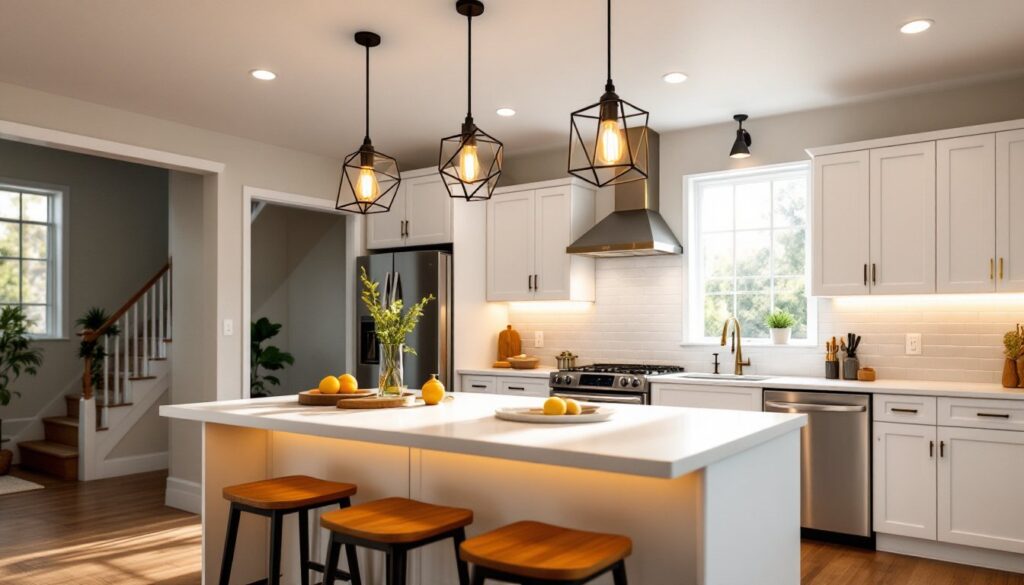
Layout influences the overall kitchen workflow as well. An open design promotes communication among team members, allowing for quick exchanges and collaboration. Placing cooking stations strategically can facilitate a smooth flow, from preparation to cooking and plating.
Time management significantly impacts kitchen workflow too. Establishing a timeline for each task helps in balancing multiple orders and ensures timely meal delivery. Chefs benefit from prioritizing tasks, especially during peak hours.
Standardized procedures create consistency in food preparation. Implementing recipes and methods allows teams to work efficiently and maintain high-quality standards. Consistent approaches also reduce training time for new staff.
Feedback mechanisms contribute to improving kitchen workflow as well. Regularly discussing successes and challenges aids chefs in refining their techniques. Team members should feel comfortable sharing ideas on how the workflow can be further enhanced.
Lastly, technology can augment kitchen efficiency. Tools like inventory management systems and kitchen display systems streamline ordering and communication. Investing in these technologies leads to better workflow management and higher productivity.
Importance of Efficient Kitchen Workflow
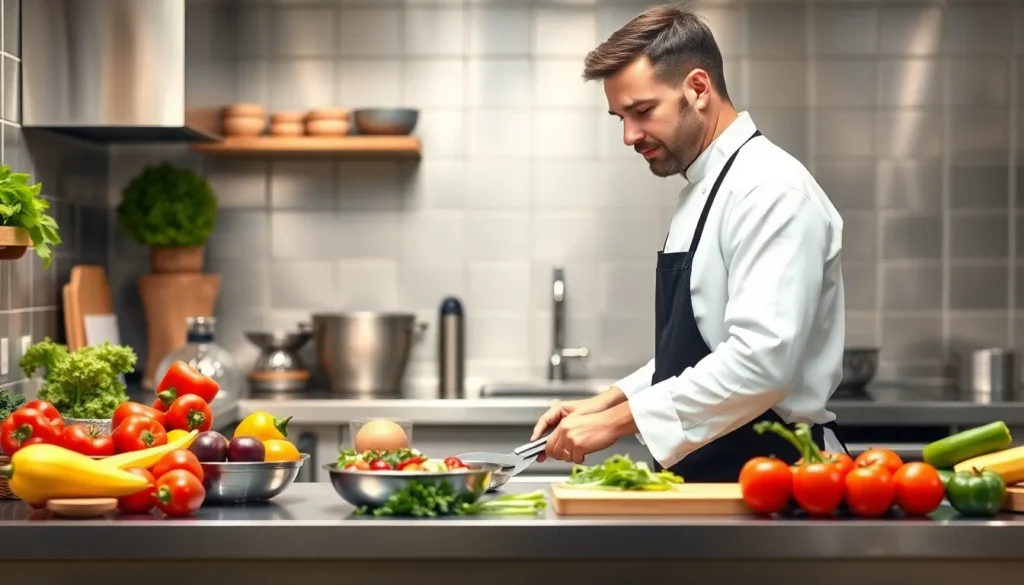
An efficient kitchen workflow is essential for optimizing culinary processes. This structure greatly influences food quality and time management.
Impact on Food Quality
Food quality often improves with a well-organized workflow. Streamlined processes reduce the risk of errors, ensuring dishes meet high standards. Consistent access to fresh ingredients and essential tools contributes to better preparation. Chefs can focus on techniques and presentation instead of searching for supplies. High-quality meals result from well-established procedures, which maintain flavor and texture. In essence, efficiency directly correlates with overall customer satisfaction.
Influence on Time Management
Effective time management arises from a smooth kitchen workflow. Chefs can prioritize tasks and allocate adequate time for each component. By establishing clear timelines, they handle multiple orders without compromising quality. A structured environment minimizes delays, which leads to faster service. Time savings also enable creative exploration, allowing chefs to experiment with new recipes. Routine assessments of time efficiency can further enhance workflows, ensuring continuous improvement and productivity.
Key Components of Kitchen Workflow
A structured kitchen workflow hinges on essential components that enhance efficiency. Layout and design play crucial roles, as do the right equipment and tools.
Layout and Design
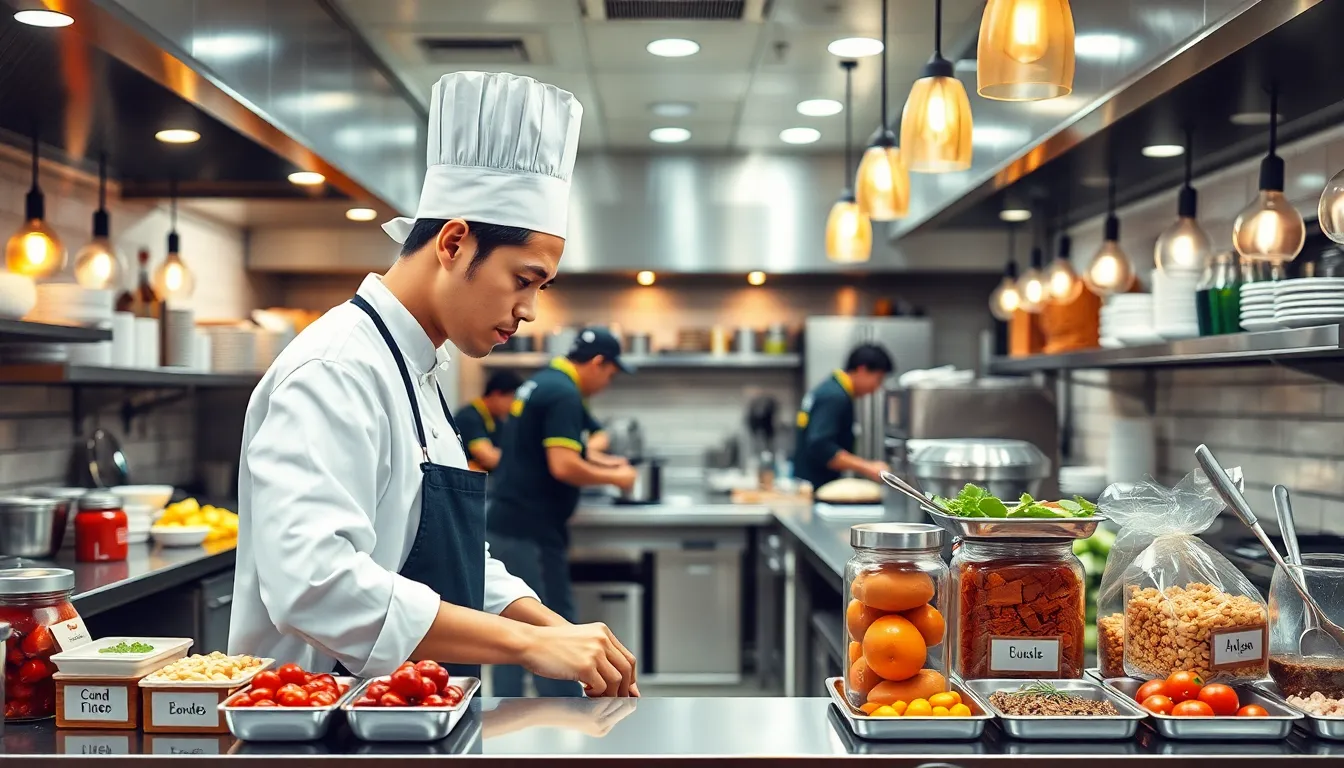
An effective kitchen layout promotes movement and communication among staff. It optimizes space to prevent bottlenecks, creating designated zones for prep, cooking, and plating. Positioning workstations thoughtfully reduces the distance between key areas. Visibility of ingredients and tools streamlines operations, allowing chefs to access everything without delay. Clear pathways enhance safety and collaboration during busy hours. Proper layout also facilitates workflow during peak times, making it easier for teams to work together seamlessly.
Equipment and Tools
Quality equipment and tools significantly impact kitchen operations. Sharp knives, versatile cookware, and efficient appliances improve preparation speed and consistency. Stocking essential items helps minimize downtime, allowing staff to tackle multiple tasks effectively. Maintaining equipment in peak condition reduces the risk of malfunction during service. Investing in modern technology like food processors or sous-vide machines offers greater precision and creativity. It’s vital to select tools that correspond with the kitchen’s specific needs and menu, enhancing overall productivity and supporting a high standard of food quality.
Best Practices for Optimizing Kitchen Workflow
Optimizing kitchen workflow requires attention to essential practices that enhance efficiency and overall productivity.
Streamlining Preparation
Preparation becomes more efficient when ingredients are prepped in advance and organized. Having clearly labeled containers allows staff to locate items quickly, reducing search time. Streamlined prep areas facilitate a smooth process from chopping vegetables to measuring spices, ensuring readiness before cooking begins. Grouping similar tasks together in a designated area minimizes confusion and supports a faster workflow. Using tools like prep lists can remind team members of what needs preparation, keeping everyone on task and focused.
Effective Communication
Effective communication serves as the backbone of an efficient kitchen. Regular updates among team members ensure everyone is aware of progress and any changes in orders. Utilizing visual aids like whiteboards for current orders can enhance clarity and reduce miscommunication. Creating a culture of open dialogue allows staff to voice concerns and offer suggestions. Implementing brief daily meetings sets the tone for collaboration and keeps all staff aligned with the kitchen’s goals. Prioritizing clear communication plays a critical role in preventing errors and improving service speed.
An efficient kitchen workflow is essential for culinary success. By prioritizing organization and layout chefs can create an environment that fosters creativity and productivity. Streamlined processes not only enhance food quality but also improve service speed and customer satisfaction.
Investing in the right tools and technology supports this efficiency while regular assessments ensure continuous improvement. Emphasizing effective communication and collaboration among team members further strengthens the workflow.
Ultimately a well-structured kitchen allows chefs to focus on their craft transforming the cooking experience into one that is both enjoyable and rewarding.