Table of Contents
ToggleMinneapolis homes face unique lighting challenges, eight-month winters, heavy snow loads, and dramatic seasonal shifts from 15-hour summer days to sub-zero darkness. Outdoor lighting isn’t just about curb appeal here: it’s safety, security, and year-round usability of exterior spaces. Whether you’re considering professional landscape lighting or tackling a DIY approach, understanding the local climate, installation requirements, and design options helps Minnesota homeowners make informed decisions. This guide covers what matters most for Twin Cities properties: from voltage systems and fixture durability to seasonal maintenance and installation methods that hold up through freeze-thaw cycles.
Key Takeaways
- Minneapolis outdoor lighting extends usable exterior space during long winters and improves safety on icy walkways, while strategic lighting increases property resale value by highlighting architectural features and mature landscaping.
- Low-voltage landscape lighting systems (12-volt) offer safer installation and greater fixture flexibility than standard 120-volt systems, with typical costs ranging from $2,500–$4,500 for basic suburban installations.
- Quality LED fixtures rated for sub-zero temperatures (-30°F) and proper burial depth (6-8 inches) are essential to withstand Minnesota’s freeze-thaw cycles and snow accumulation year-round.
- Path lighting, uplighting, and downlighting styles complement Minneapolis homes while warm white LEDs (2700-3000K) blend better with snow than cool white options.
- Professional outdoor lighting perspectives services offer design, installation, and seasonal maintenance expertise, though DIY systems can save 40-60% when homeowners handle basic fixture additions over time.
- Winter visibility depends on mounting fixtures above typical snow depth (18-24 inches) and conducting spring maintenance to check for frost heave damage on cable connections.
Why Outdoor Lighting Matters for Minneapolis Homes
Minneapolis winters bring long darkness, sunset hits before 4:30 PM from November through January. Properly placed exterior lighting extends usable outdoor time, improves safety on icy walkways and driveways, and deters break-ins during high-crime evening hours.
Security lighting serves a practical function. Motion-activated LED floodlights (typically 20-30 watts) illuminate entry points and side yards without running continuously. Position them 8-10 feet high to cover doorways and garage approaches without creating glare.
Property value sees measurable impact. According to the National Association of Realtors, exterior lighting ranks among the top ten improvements for resale appeal in cold-climate markets. Well-designed landscape lighting highlights architectural features, mature trees, and hardscaping, elements that differentiate Minneapolis properties in competitive neighborhoods.
Winter safety depends on visibility. Path lighting along walkways and steps prevents slips on black ice and snow-covered surfaces. Use fixtures rated for sub-zero temperatures (most quality LED systems handle -30°F) and ensure they’re mounted above typical snow accumulation height, usually 18-24 inches in the metro area.
Understanding Outdoor Lighting Perspectives Services in Minneapolis
Outdoor Lighting Perspectives operates as a franchise specializing in low-voltage landscape lighting design and installation. The Minneapolis location serves the Twin Cities metro, focusing on custom LED systems that run on 12-volt transformers rather than standard 120-volt household current.
Low-voltage systems offer several advantages for Minnesota homeowners. They’re safer to install and maintain, reduce shock risk in wet conditions, and allow more flexibility in fixture placement without running conduit. A typical setup includes a weatherproof transformer (usually 300-600 watts), landscape-rated cable (12-2 or 14-2 gauge depending on run length), and fixtures with corrosion-resistant housing.
Professional services typically include site assessment, lighting design with fixture placement plans, installation with buried cable runs, and seasonal maintenance. Expect transformers mounted near an outdoor GFCI outlet, usually on the home’s exterior or inside the garage. Cable runs should be buried 6-8 inches deep, deep enough to avoid shallow digging but above frost line concerns for low-voltage wiring.
Costs vary widely based on property size and fixture count. A basic system for a standard suburban lot (10-15 fixtures covering front walkway, entry, and key landscape features) runs $2,500-$4,500 installed. Larger properties with extensive gardens, multiple zones, and architectural accent lighting can exceed $10,000. Regional pricing reflects Minneapolis labor rates and the need for cold-rated fixtures that withstand thermal cycling.
Popular Outdoor Lighting Styles for Minnesota Properties
Minneapolis landscape lighting leans toward styles that complement the region’s mix of Craftsman, Colonial, and mid-century modern architecture. Design trends balance aesthetic appeal with functional winter performance.
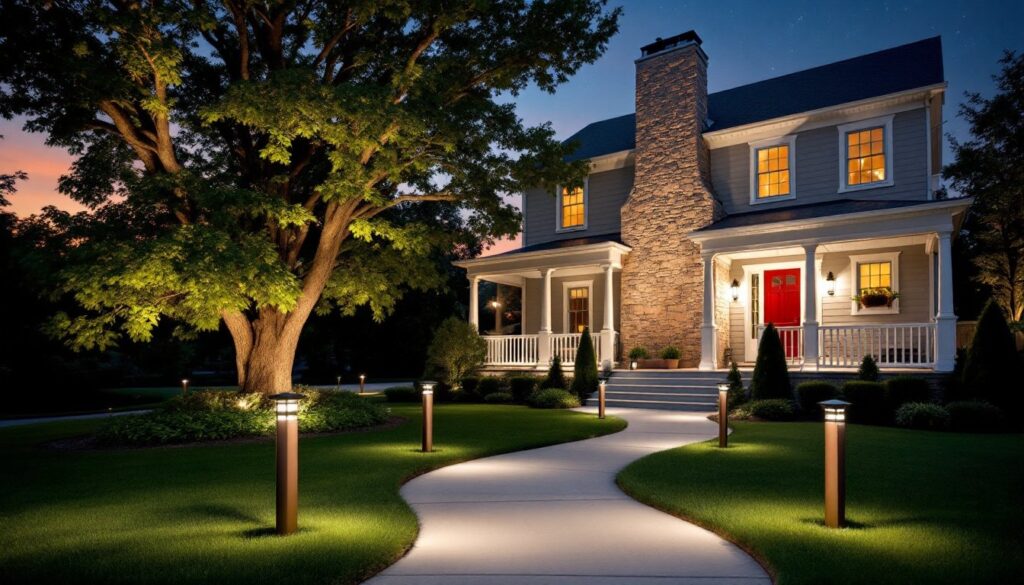
Path lighting uses low-profile fixtures (8-12 inches tall) spaced 8-10 feet apart along walkways and driveways. Look for models with die-cast aluminum or brass housings, plastic fixtures crack in repeated freeze-thaw cycles. Many homeowners prefer warm white LEDs (2700-3000K color temperature) over cool white, which can appear harsh against snow.
Uplighting highlights trees, stone facades, and architectural details. Position fixtures 2-3 feet from the base of mature trees, angled upward to graze bark texture and branch structure. For homes with Western living outdoor design influences, uplighting on native plantings creates dramatic shadows year-round.
Downlighting mounts in trees or under eaves to cast pools of light on patios, decks, and seating areas. This technique works well for homeowners who entertain outdoors during Minnesota’s short but intense summer season. Fixtures should be rated for outdoor use (UL wet location) and mounted securely to handle wind loads and ice accumulation.
String lighting gained popularity for casual outdoor spaces. Edison-style bulbs or smaller globe lights strung over decks and pergolas provide ambient light without the formality of traditional landscape systems. When choosing outdoor string lights, select models rated for cold weather use, cheap sets from big-box stores often fail when temperatures drop below 20°F.
Key Areas to Illuminate Around Your Minneapolis Home
Prioritize lighting based on safety, security, and how you actually use outdoor spaces. Most Minneapolis homes benefit from a layered approach across these zones:
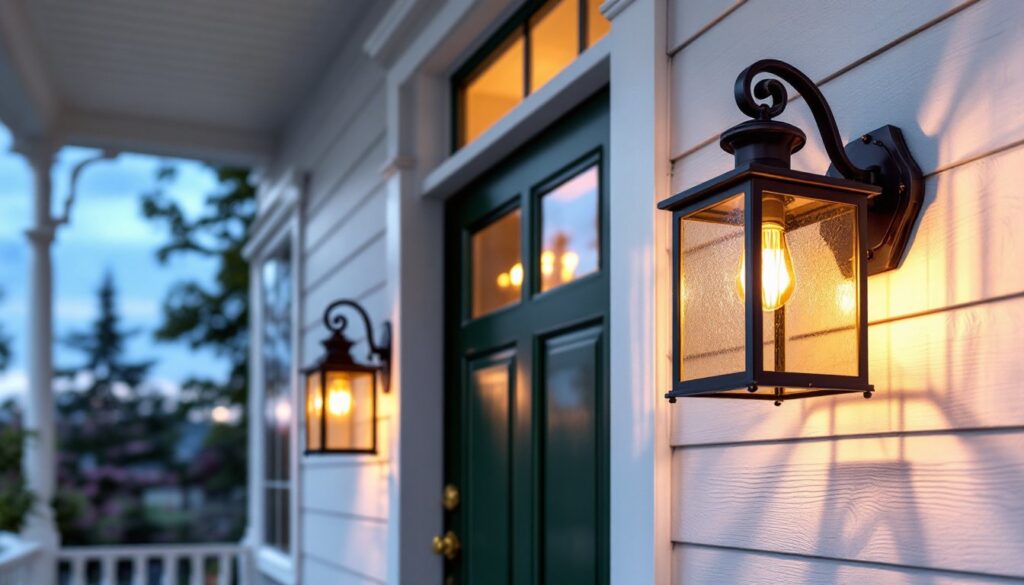
Entry and porch areas require adequate overhead and accent lighting. A minimum of 60-100 watts equivalent LED illumination ensures visitors can navigate steps safely and homeowners can see locks and packages. Wall sconces flanking the door (mounted 60-66 inches from the ground) provide even coverage without harsh shadows.
Walkways and driveways need consistent lighting every 8-10 feet. For curved paths, adjust spacing to maintain visibility around bends. In areas with heavy snow removal, choose fixtures with recessed lenses or sturdy stakes, plow damage ruins more landscape lighting than weather in the Twin Cities.
Garage and side yards are common break-in points. Motion-sensor floodlights (with adjustable sensitivity to avoid triggering on passing deer or neighborhood cats) deter intruders and help homeowners navigate garbage bins and yard equipment storage.
Decks and patios extend seasonal use when properly lit. Recessed deck lights (installed flush with decking or stair risers) prevent tripping hazards while creating ambiance. For elevated decks, code may require lighting on stairs and changes in elevation, check Minneapolis building ordinances before installation.
Landscape features like specimen trees, water features, or stone walls become focal points with strategic accent lighting. In the Twin Cities market, highlighting mature oaks, maples, or architectural elements ties into urban design trends that emphasize existing character rather than adding new hardscaping.
Seasonal Considerations for Minneapolis Outdoor Lighting
Minnesota’s extreme seasonal swings demand fixtures and installation methods built for temperature cycling from -30°F to 95°F within a single year.
Winter performance separates quality systems from cheap alternatives. LED fixtures maintain brightness in cold better than incandescent or halogen options. Transformers should be rated for outdoor use and mounted where snow removal won’t damage them, inside a garage or under eaves works better than ground-level installation near driveways.
Snow accumulation affects fixture visibility. Stake-mounted path lights disappear under 12+ inches of snow. Some homeowners install taller fixtures (18-24 inches) or mount lights on retaining walls and planter edges to stay above typical snow depth. Alternatively, reduce fixture count and accept that some winter lighting will be buried until spring.
Spring maintenance includes checking wire connections for frost heave damage. If sections of your system don’t illuminate after winter, inspect cable runs where they enter or exit the ground, freeze-thaw movement can pull connections apart or crack wire insulation. Use waterproof wire nuts and silicone-filled connectors rated for direct burial.
Summer brings its own challenges. Heat buildup in enclosed fixtures can shorten LED lifespan if ventilation is poor. Ensure fixtures have adequate heat dissipation, solid die-cast housings work better than sealed plastic. Heavy summer storms and straight-line winds knock down tree-mounted downlights: use stainless steel mounting hardware and check fixtures after severe weather.
Fall prep involves clearing leaves and debris from fixtures and checking transformer settings. Many homeowners use timers or photocells to automate lighting: adjust seasonal settings as daylight hours change rapidly in October and November.
DIY vs. Professional Installation: What Minneapolis Homeowners Should Know
Low-voltage landscape lighting falls within most DIYers’ skill range, but Minneapolis conditions add complexity worth considering before deciding on professional installation.
DIY advantages include cost savings (typically 40-60% less than professional installation) and flexibility to expand the system over time. Basic kits from home centers include a transformer, cable, and 6-10 fixtures for $200-$500. You’ll need a voltage tester, wire strippers, and waterproof connectors. Installation involves:
- Mounting the transformer near a GFCI-protected outlet (required by NEC for outdoor use)
- Planning cable runs to minimize voltage drop (use 12-gauge wire for runs over 50 feet)
- Burying cable 6-8 inches deep using a flat spade or trenching tool
- Connecting fixtures with waterproof splice connectors
- Adjusting transformer output if voltage drop causes dim fixtures at the end of long runs
Challenges for DIYers include designing balanced lighting (avoiding over-lit areas and dark gaps), calculating proper transformer sizing, and achieving professional-looking cable burial without damaging irrigation or existing landscaping. Rocky soil common in parts of the metro makes trenching more difficult than in newer suburban developments with fill soil.
Professional installation makes sense for large properties, complex designs with multiple zones, or homeowners who lack time and tools. Experienced installers understand voltage drop calculations, fixture spacing for even coverage, and techniques for concealing wires in established landscapes. They typically offer warranties (1-5 years on labor, longer on fixtures) and handle seasonal service.
Permits aren’t required for low-voltage landscape lighting in Minneapolis, but work near property lines, easements, or underground utilities requires calling Gopher State One Call (811) before digging. Professional installers handle this automatically: DIYers must request utility locates themselves.
A hybrid approach works for some homeowners: hire a professional for design consultation and transformer/main line installation, then add fixtures yourself as budget allows. This ensures proper infrastructure while controlling costs.
Conclusion
Minneapolis outdoor lighting demands fixtures and installation methods that survive the climate while delivering year-round function and appeal. Whether working with a professional service or tackling installation yourself, focus on cold-rated LED systems, proper burial depth for cables, and strategic placement that addresses both safety and aesthetics. Quality components and thoughtful design create lighting that performs through Minnesota’s extremes, from January wind chills to July thunderstorms.