Table of Contents
ToggleAntique outdoor lighting does more than illuminate a front porch or garden path, it adds character, history, and architectural distinction to a home’s exterior. Whether you’ve scored a genuine Victorian gas lantern at an estate sale or you’re hunting for period-appropriate reproductions, these fixtures offer a level of craftsmanship and visual weight that modern mass-produced lights rarely match. Installing them correctly requires attention to electrical codes, weatherproofing, and structural support, but the payoff is substantial.
Key Takeaways
- Antique outdoor lighting adds architectural character and historical authenticity to home exteriors through hand-forged materials, solid brass, and blown glass that modern fixtures rarely match.
- Most antique outdoor lighting requires professional rewiring to meet current National Electrical Code standards, including GFCI protection, weatherproof conduit, and outdoor-rated electrical components to ensure safety and compliance.
- Authentic Victorian, Edwardian, and Arts and Crafts fixtures can be sourced from architectural salvage yards ($150–$800), estate sales, or reproduction manufacturers that offer period-appropriate styling without fragility risks.
- Proper installation of antique outdoor fixtures demands attention to weatherproofing, structural support, and correct electrical box placement, with wall-mounted fixtures requiring stud-secured boxes and post-mounted lanterns needing 30–36 inches of depth for stability.
- Seasonal maintenance of antique outdoor lighting includes inspecting glass panels, gentle metal cleaning with vinegar-water solutions, preserving patina with paste wax, and replacing bulbs with warm-white LEDs (2200K–2700K) that complement the fixture’s original design.
- Reproductions from high-quality manufacturers offer the authentic look of antique outdoor lighting with modern safety standards and warranties, making them a practical alternative to original century-old pieces for homeowners concerned about fragility or cost.
What Makes Antique Outdoor Lighting Special?
True antique outdoor fixtures, typically defined as items over 100 years old, were built during an era when outdoor lighting transitioned from gas and oil to early electric systems. That history shows in the materials: hand-forged iron, solid brass, blown glass shades, and copper lantern housings that develop a natural patina over decades.
Unlike modern aluminum castings or powder-coated steel, antique fixtures were designed to be repaired, not replaced. Screws are often slotted rather than Phillips-head, glass panels are held with removable metal clips, and burner assemblies (if original) can be swapped out for electrical sockets. The weight alone sets them apart, a genuine antique wall sconce can weigh 8–12 pounds, compared to 2–3 pounds for a contemporary replica.
Authentic fixtures also reflect regional building styles. A New England coastal home might feature copper lanterns that age to verdigris, while a Midwest Victorian could have cast-iron post lamps with ornate Gothic tracery. Reproductions exist, but they rarely replicate the hand-finishing, irregularities in metalwork, or the specific joinery methods of the originals.
From a practical standpoint, antique outdoor lighting requires rewiring to meet current National Electrical Code (NEC) standards. Original cloth-wrapped wiring, ungrounded connections, and exposed terminals are fire hazards and won’t pass inspection. Budget for an electrician if you’re unfamiliar with outdoor electrical boxes, GFCI protection, or weatherproof conduit.
Popular Styles of Antique Outdoor Lighting
Victorian and Edwardian Lanterns
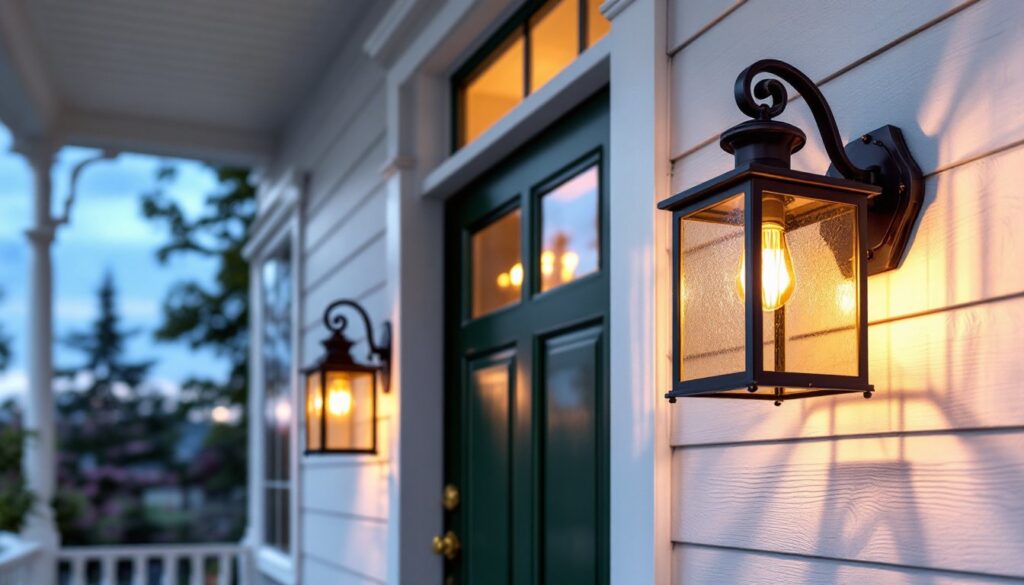
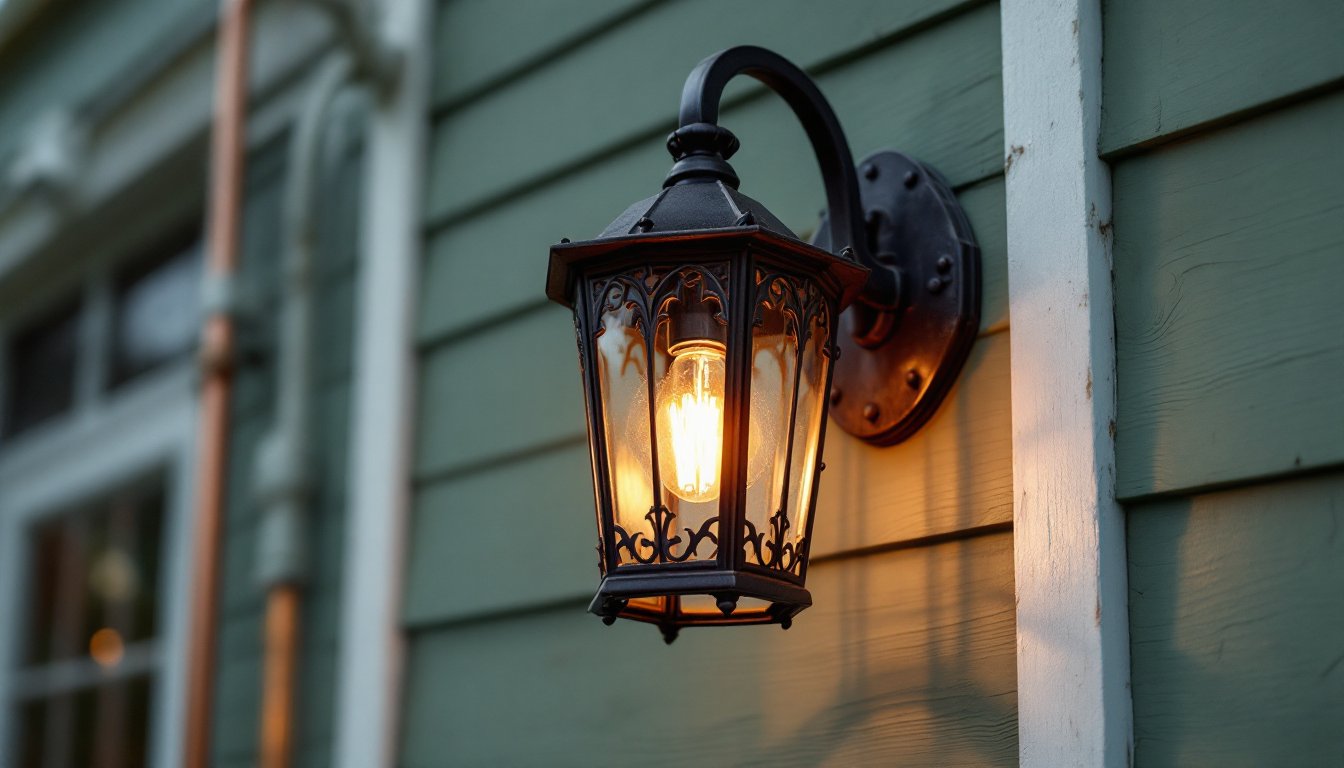
Victorian outdoor lighting (roughly 1840–1900) favored ornate metalwork, beveled glass panels, and multi-sided lantern housings. Post-mounted gas lamps were common in urban settings, often standing 6–8 feet tall with a square or hexagonal cage. Wall-mounted carriage lamps featured hinged doors for accessing the gas burner or later, the electric bulb.
Edwardian fixtures (1900–1910) simplified some of the Victorian excess but retained quality materials. You’ll see cleaner lines, less filigree, and the introduction of opal milk glass globes that diffused early incandescent bulbs more evenly. These globes are fragile and expensive to replace, original examples in good condition add significant value.
Both styles used wrought iron or cast bronze for structural components. Wrought iron can rust if the protective finish fails, so inspect joints, mounting brackets, and any areas where moisture collects. Bronze develops a brown or greenish patina but doesn’t corrode structurally.
Arts and Crafts Movement Fixtures
Arts and Crafts outdoor lighting (roughly 1900–1925) emphasized handcrafted details, natural materials, and visible joinery. Hammered copper lanterns, mica panel inserts, and geometric leadlight glass are hallmarks of the style. Designers like Gustav Stickley and the Roycroft community produced fixtures that paired with Craftsman and bungalow architecture.
These fixtures often feature strap hinges, rivet heads left exposed, and amber or slag glass in simple, rectilinear frames. The metal was typically left unsealed to develop a rich patina, which homeowners today sometimes try to preserve with a clear wax or lacquer.
Authentic Arts and Crafts pieces are in high demand and command premium prices. Reproductions are widely available and can be a practical choice if you want the look without the fragility or cost of a century-old original. When evaluating a potential purchase, check whether the glass is hand-cut, the metalwork shows hammer marks, and the joinery uses period-appropriate techniques like mortise-and-tenon or riveted construction.
Where to Find Authentic Antique Outdoor Lighting
Architectural salvage yards are the most reliable source for genuine antique outdoor fixtures. These businesses pull materials from demolished or renovated buildings, often cleaning and cataloging items before resale. Expect to pay $150–$800 for a single fixture, depending on rarity, condition, and completeness. Missing glass panels, broken mounting hardware, or evidence of amateur rewiring will drop the price.
Estate sales and auctions can yield bargains, especially in regions with older housing stock. Bring a flashlight and a tape measure, you’ll want to inspect the fixture’s interior wiring, check for cracks in glass or metal, and confirm it will fit your intended mounting location. If the piece hasn’t been used in decades, assume the socket, wiring, and any rubber gaskets will need replacement.
Online marketplaces like eBay, Etsy, and 1stDibs offer convenience but require careful vetting. Request additional photos of the fixture’s interior, mounting plate, and any maker’s marks or patent stamps. Shipping costs for heavy iron or brass fixtures can equal the purchase price, and damage in transit is common, insist on professional packing and insurance.
Homeowners seeking period-appropriate styles without the risks of antique ownership should explore high-quality reproduction manufacturers. Companies like Rejuvenation, House of Antique Hardware, and Schoolhouse Electric produce fixtures based on historical designs, using modern materials and UL-listed electrical components. These pieces ship ready to install and carry warranties, though they lack the irregularities and patina of originals. Styles inspired by Southern home design often pair well with reproductions that echo traditional porch and entryway lighting.
Installing and Wiring Antique Outdoor Fixtures Safely
Before you drill a single hole, verify that your antique fixture can support modern electrical components. Most will need a new porcelain or brass socket rated for outdoor use, 14- or 16-gauge stranded wire with a ground conductor, and a weatherproof electrical box that meets current code.
If the fixture originally used gas, you’ll need to remove the old burner assembly and fabricate or source a mounting adapter that fits a standard round or octagonal electrical box. Some salvage yards sell pre-made adapters: otherwise, a metal fabricator can custom-build a bracket for $40–$80.
Wall-mounted fixtures require a box secured to a stud or solid blocking. Exterior walls often have irregular framing, so use a stud finder and verify depth before cutting. Mount the box flush with the siding or masonry, using a weatherproof box extender if needed. Run UF-B (underground feeder) cable or conduit from the interior switch or junction box to the exterior box, sealing all penetrations with silicone caulk rated for outdoor use.
Post-mounted lanterns need a sturdy base. A 4×4 pressure-treated post set in concrete to a depth of 30–36 inches provides adequate support for most fixtures. Bury UF-B cable in a trench at least 12 inches deep (18 inches if not in conduit), following NEC guidelines for outdoor wiring. Drill a hole through the post near ground level to route the cable up to the fixture.
All outdoor lighting circuits should be protected by a GFCI breaker or receptacle. Use wire nuts rated for outdoor use, wrap connections with electrical tape, and apply dielectric grease to threads and terminals to prevent corrosion. If you’re unfamiliar with three-way switches, photocells, or timer controls, hire a licensed electrician. Permit requirements vary by jurisdiction, but most municipalities require permits for new outdoor circuits or modifications to existing service panels.
Safety note: Always turn off power at the breaker and use a non-contact voltage tester to confirm circuits are dead before working. Wear safety glasses and work gloves when handling old fixtures, sharp edges, lead-based paint, and decades of accumulated grime are common.
Maintenance and Restoration Tips for Antique Outdoor Lights
Antique outdoor fixtures need seasonal care to stay functional and attractive. Start by inspecting glass panels for cracks, checking that all screws and hinges operate smoothly, and confirming that weatherproof seals around the electrical box remain intact.
Metal surfaces respond well to gentle cleaning. For brass or copper, use a soft cloth and a mixture of equal parts white vinegar and water, then rinse and dry thoroughly. If you want to preserve patina, skip polishing compounds and apply a thin coat of paste wax (like Renaissance Wax) to seal the surface. For painted or powder-coated iron, touch up chips with a rust-inhibiting primer and topcoat matched to the original finish.
Glass panels can be cleaned with standard glass cleaner, but avoid ammonia-based products on leaded or stained glass, use distilled water and a microfiber cloth instead. If a panel is cracked or missing, seek out a glass shop that specializes in restoration work. Original wavy or seeded glass adds authenticity: modern float glass looks noticeably different.
If the fixture requires deeper restoration, stripping old paint, rebuilding corroded sockets, or re-plating worn finishes, consider whether the effort and cost are justified. Professional metal refinishing can run $200–$500 per fixture, and there’s always a risk of damaging fragile components during disassembly. For fixtures with significant historical or sentimental value, it’s worth it. For pieces you picked up cheaply as placeholders, a thorough cleaning and fresh bulb may be enough.
Replace bulbs with LED equivalents that match the fixture’s original design. A Victorian lantern designed for a 40-watt incandescent bulb will look odd with a bright, cool-white LED. Look for warm-white or amber-toned LEDs rated at 2200K–2700K, and choose a bulb style (filament, flame-tip, globe) that suits the fixture’s era. Outdoor-rated LEDs also handle temperature swings and humidity better than standard indoor bulbs.
Homeowners interested in outdoor entertaining ideas will appreciate how antique lighting can define garden spaces and pathways with minimal wiring complexity, especially when paired with low-voltage or solar accent lights for supplemental illumination.