In a world where smart fridges can remind you to buy milk and lights can dim with a mere whisper, home automation seems like a dream come true. But wait—before you dive headfirst into a tech wonderland, let’s talk about the not-so-glamorous side of this digital revolution. From compatibility headaches to privacy concerns that make your hair stand on end, the journey to a fully automated home can be as bumpy as a rollercoaster ride.
While the allure of controlling everything from your thermostat to your toaster is tempting, it’s important to know that challenges lurk around every corner. Navigating these obstacles can feel like trying to teach your cat to fetch—frustrating and often hilarious. So, before you start envisioning your future home as a scene from a sci-fi movie, let’s explore the challenges that come with turning your humble abode into a smart sanctuary.
Overview of Home Automation Challenges
Home automation presents several challenges that require attention. Compatibility issues often arise when integrating various smart devices. Different manufacturers produce devices with unique protocols, leading to difficulties in communication among gadgets.
Security concerns significantly impact user trust in smart home technology. Vulnerabilities in network security can expose personal data to cyber threats. Increasing incidents of hacking illustrate the necessity for robust security measures.
User experience can become complex due to the overwhelming number of available options. Individuals may feel confused by the variety of products and services, impacting their decision-making process. Simplifying the user interface across devices can enhance accessibility and usability.
Installation requirements also pose challenges for homeowners. Not all users possess the technical knowledge, making professional installation appealing. Dedicating resources for setup may deter potential adopters, limiting market growth.
Interoperability between smart devices remains a major hurdle. Consumers expect seamless integration; however, not all devices communicate effectively. Developing universal standards could address this issue and improve user satisfaction.
Lastly, privacy concerns cannot be overlooked. Data collection by smart devices raises questions about user information storage and usage. Transparency from manufacturers about data handling practices is crucial to maintaining consumer confidence.
Understanding these challenges helps individuals navigate the complexities of home automation. Identifying solutions to these issues can make the transition to a smart home more manageable and rewarding.
Common Technical Issues

Navigating home automation can present several technical challenges. Identifying these common issues helps consumers prepare for the complexities involved.
Connectivity Problems
Connectivity problems often arise due to unstable Wi-Fi signals or weak connections. Devices may experience frequent disconnections, disrupting functionality. This issue impacts real-time control and monitoring capabilities. Evaluating the range and strength of the home network can mitigate these disruptions. Placing a more powerful router or using extenders enhances connectivity. Smart devices that require constant online access are particularly vulnerable, making a reliable network crucial.
Compatibility with Devices
Compatibility with devices presents significant challenges in home automation. Many smart products operate on different protocols, limiting integration potential. Users may encounter difficulties connecting devices from separate manufacturers. Ensuring compatibility involves checking product specifications before purchasing. Following interoperability guidelines provided by device makers can prevent integration issues. Selecting devices that support common smart home standards simplifies setup and optimizes user experience.
Security Concerns
Home automation introduces essential security challenges. Users must navigate these concerns to protect their smart environments effectively.
Data Privacy Issues
Data privacy remains a significant challenge in home automation. Smart devices often collect personal information, risking exposure to unauthorized access. Manufacturers may share this data with third parties without user consent. Consumers must be aware of privacy policies associated with each device. Implementing strong security measures is crucial for safeguarding sensitive information. Choosing devices with robust encryption protocols can minimize risks. When users understand how their data gets managed, they make informed decisions about device integration.
Vulnerabilities to Hacking
Vulnerabilities to hacking pose serious threats in automated homes. Cybercriminals exploit weak passwords and outdated software, gaining access to networks. Many households neglect regular software updates, leaving devices defenseless against attacks. Educating users on secure password practices enhances protection against intrusions. Smart home systems should include features like two-factor authentication for additional security. Ensuring the use of a secure home network mitigates hacking risks. Users must remain vigilant to maintain the integrity of their automated environments.
User Experience Challenges
Home automation offers a mix of convenience and complexity. Understanding user experience challenges enhances the adoption of smart homes.
Complexity of Setup
Setup processes often create hurdles for prospective users. Various devices may require different installation methods, making the experience overwhelming. Instructions can sometimes lack clarity, leaving users uncertain about steps to take. Many smart devices demand integration with home Wi-Fi, which poses connectivity issues when settings are misconfigured. Moreover, troubleshooting becomes a tedious task if users do not grasp basic technical concepts. Accurate readings and reliable functionality hinge on correct installation. Therefore, thorough guidance from manufacturers can greatly ease the user experience.
Learning Curve for Users
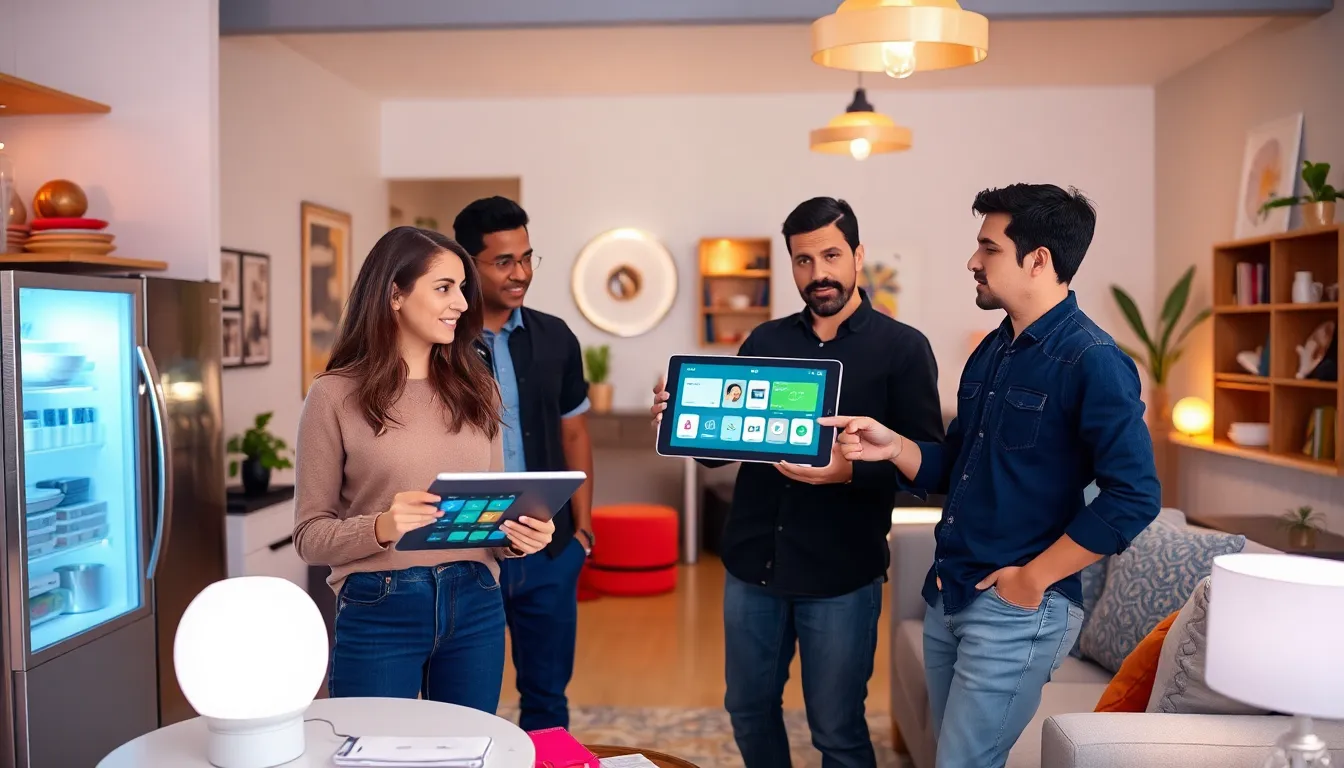
Learning to navigate smart home systems can present significant obstacles. New users frequently face challenges in understanding how their devices interact. Each device might have its own app, complicating control and automation. Users often struggle to realize the full potential of their systems without extensive research. Many features remain undiscovered, limiting overall benefits. Regular updates to apps and devices add another layer of complexity as users adapt to changes. Providing intuitive interfaces can simplify these experiences and encourage user engagement. Investing time in training resources may bridge the knowledge gap effectively.
Cost Factors
Cost factors play a significant role in the decision-making process for home automation. Initial investment and ongoing maintenance costs are crucial elements to consider.
Initial Investment
Purchasing smart devices typically involves a considerable upfront expense. Entry-level products range from $50 to $200, while advanced systems could exceed $1,000. Many consumers invest in a combination of devices to ensure functionality, which can quickly add up. Installation costs also vary; professional setups may require anywhere from $100 to $500, depending on complexity. These costs can discourage potential adopters, especially when evaluating the long-term benefits. It’s essential to weigh the advantages of convenience and energy savings against the initial financial outlay.
Ongoing Maintenance Costs
Even after installation, ongoing maintenance costs remain a factor in home automation. Software updates, which improve security and add features, may incur subscription fees or require technical support. Electricity bills can also rise, as constantly connected devices consume power. Regular battery replacements for smart sensors and devices add another layer of expense, typically ranging from $10 to $50 per year. Users must consider these costs when assessing the total value of their investment. Understanding these ongoing financial commitments helps consumers make informed decisions regarding their smart home experiences.
Navigating the world of home automation isn’t without its hurdles. Understanding the challenges of compatibility security privacy and user experience is vital for anyone looking to embrace smart technology. By being aware of potential issues and taking proactive steps to address them individuals can make informed decisions and enjoy the benefits of a connected home.
As the technology continues to evolve so will the solutions to these challenges. Staying informed and adapting to new developments will empower users to create a seamless and secure smart home environment. With the right approach home automation can transform everyday living into a more convenient and enjoyable experience.