Planning a kitchen remodel? One of the biggest questions that’ll pop up is how many kitchen cabinets are really needed. It’s a bit like trying to figure out how many cookies you can eat before feeling guilty—too few, and you’re left wanting more; too many, and you might need a bigger waistband.
Understanding Kitchen Cabinet Needs
Determining kitchen cabinet needs involves careful consideration of various factors. Understanding these elements helps create an efficient and functional kitchen space.
Factors Influencing Cabinet Quantity
Cabinet size plays a critical role in calculations. A larger kitchen typically requires more cabinets to maintain storage and usability. Additionally, design style influences the number, as open shelving might reduce total cabinet requirements. Storage needs also differ; families often require more cabinets for dishes, pots, and pantry items. Lifestyle significantly affects choices as well; those who cook frequently may lean toward more storage. Finally, budget constraints might limit the number of cabinets purchased, making prioritization essential.
Assessing Your Kitchen Space
Space evaluation is essential for determining cabinet quantity. Measure the kitchen dimensions to understand available area. Layout type also matters; an L-shaped kitchen might allow for different cabinetry arrangements than a galley. Consider existing appliances to ensure cabinets do not obstruct flow. Visualizing cabinet placement on paper aids in spotting potential issues. Seeking guidance from a professional might enhance design efficiency, ensuring optimal use of available space.
Standard Kitchen Cabinet Measurements
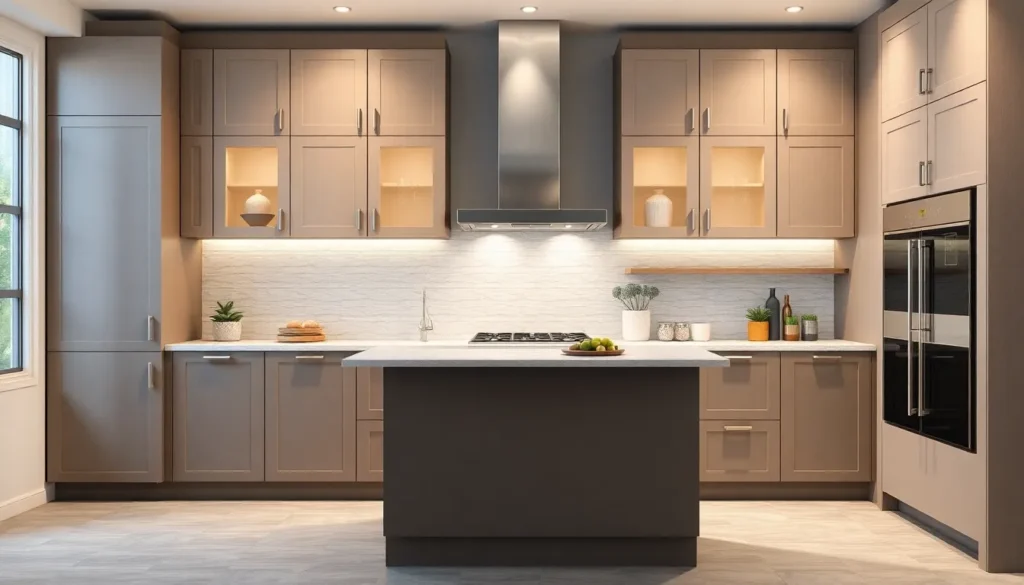
Understanding standard kitchen cabinet measurements aids in determining the quantity and arrangement of cabinets needed. Base cabinets and wall cabinets have specific dimensions that impact kitchen design.
Base Cabinets
Base cabinets typically measure 24 inches deep and 34.5 inches high. These dimensions provide adequate storage and work surface area, crucial for cooking and meal preparation. Cabinet width varies, usually ranging from 12 to 48 inches. A common choice is 30-inch or 36-inch wide cabinets, which offer balance for most kitchen layouts. The space beneath base cabinets allows for easy installation of plumbing and appliances. Often, base cabinets include drawers, doors, or combinations for enhanced accessibility.
Wall Cabinets
Wall cabinets generally come in a depth of 12 inches and a height between 30 and 42 inches. Adjustability in height accommodates different ceiling sizes and personal preferences. Width ranges from 12 to 48 inches, with 30-inch and 36-inch cabinets being popular. This enables the creation of visually appealing arrangements. Wall cabinets optimize vertical space, keeping essential items within reach while allowing for decorative displays. Some designs incorporate glass doors to showcase dishware, adding style to functionality.
Determining Your Storage Requirements
Determining storage requirements involves assessing personal cooking habits and kitchen layouts. Understanding these factors helps identify how many kitchen cabinets are necessary.
Analyzing Your Cooking Habits
Cooking habits influence cabinet needs significantly. Frequent cooks may prioritize storage for pots, pans, and utensils, requiring more base cabinets. Those who prepare simple meals can utilize fewer cabinets, focusing on essentials. Regular bakers benefit from additional storage for baking sheets, mixers, and other tools. Assessing how often appliances are used shapes the quantity of cabinets needed for their proper storage. Notably, large families or those who entertain often typically require more space for dishes and serveware, leading to higher cabinet counts.
Considering Your Kitchen Layout
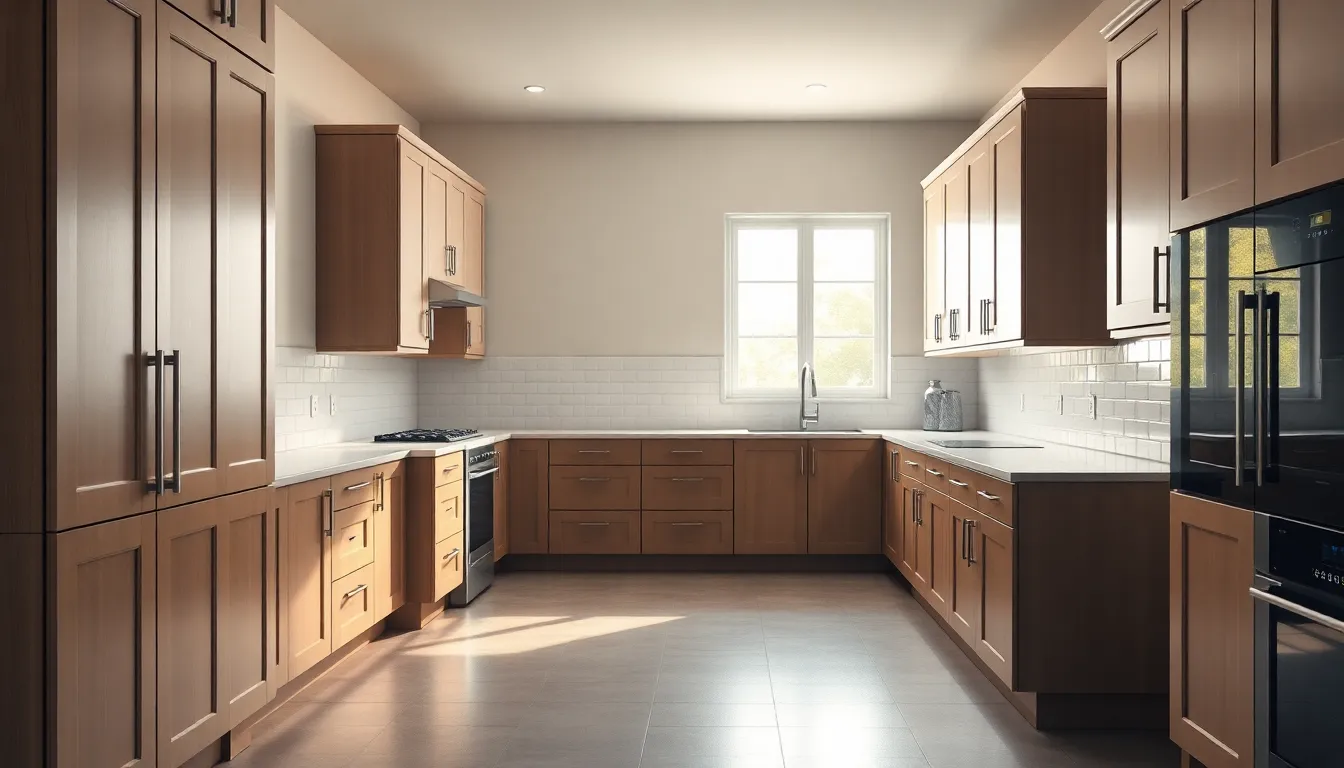
The kitchen layout directly impacts cabinet requirements. U-shaped or L-shaped kitchens often accommodate more cabinets due to available wall space. Conversely, galley kitchens usually limit cabinet placement due to narrow dimensions. Open floor plans might allow for creative storage solutions, like integrating shelves or a kitchen island, reducing the need for numerous cabinets. Prioritizing efficient workflows also maximizes storage capabilities, ensuring everything remains accessible. Consideration of traffic flow and appliance placement further guides cabinet placement, optimizing both functionality and aesthetics.
Finalizing Your Cabinet Count
Determining the right number of kitchen cabinets requires careful assessment. Accurate calculations play a vital role in optimizing space and functionality.
Tips for Accurate Calculation
Measure the kitchen dimensions thoroughly. Use a tape measure to record wall lengths and heights, ensuring accurate numbers. Identify potential cabinet locations by visualizing the layout. Assess area requirements based on cabinet sizes, which traditionally range from 12 to 48 inches wide. Understand personal storage needs, considering factors like cooking habits and family size. Households with larger families often require more cabinet space. Align cabinet sizes with kitchen layout types. U-shaped and L-shaped kitchens support more cabinets, while galley kitchens might limit placement options. Prioritize efficient workflows, ensuring appliances do not obstruct usage. Utilize professional tools or software to model cabinet placement virtually, facilitating optimal design decisions.
Finding the right number of kitchen cabinets is essential for creating a functional and aesthetically pleasing space. By carefully evaluating personal cooking habits and the kitchen layout, individuals can make informed decisions that suit their needs.
It’s important to consider cabinet dimensions and placement to maximize storage while maintaining accessibility. Whether opting for traditional cabinets or innovative open shelving solutions, the goal should be to achieve a balanced design that enhances workflow.
With thoughtful planning and possibly professional guidance, anyone can create a kitchen that meets their storage requirements and reflects their unique style.