When it comes to kitchens, color isn’t just a splash on the walls; it’s the secret sauce that can transform a mundane cooking space into a culinary haven. Imagine whipping up a gourmet meal in a vibrant teal kitchen that sparks creativity or a serene sage green space that calms the chaos of dinner prep. Color trends are more than just aesthetics; they set the mood and inspire the soul of the home.
Popular Kitchen Color Trends
Color choices in kitchen design significantly affect the ambiance and functionality. With many styles emerging, homeowners can select palettes that reflect personal tastes and current trends.
Earthy Tones
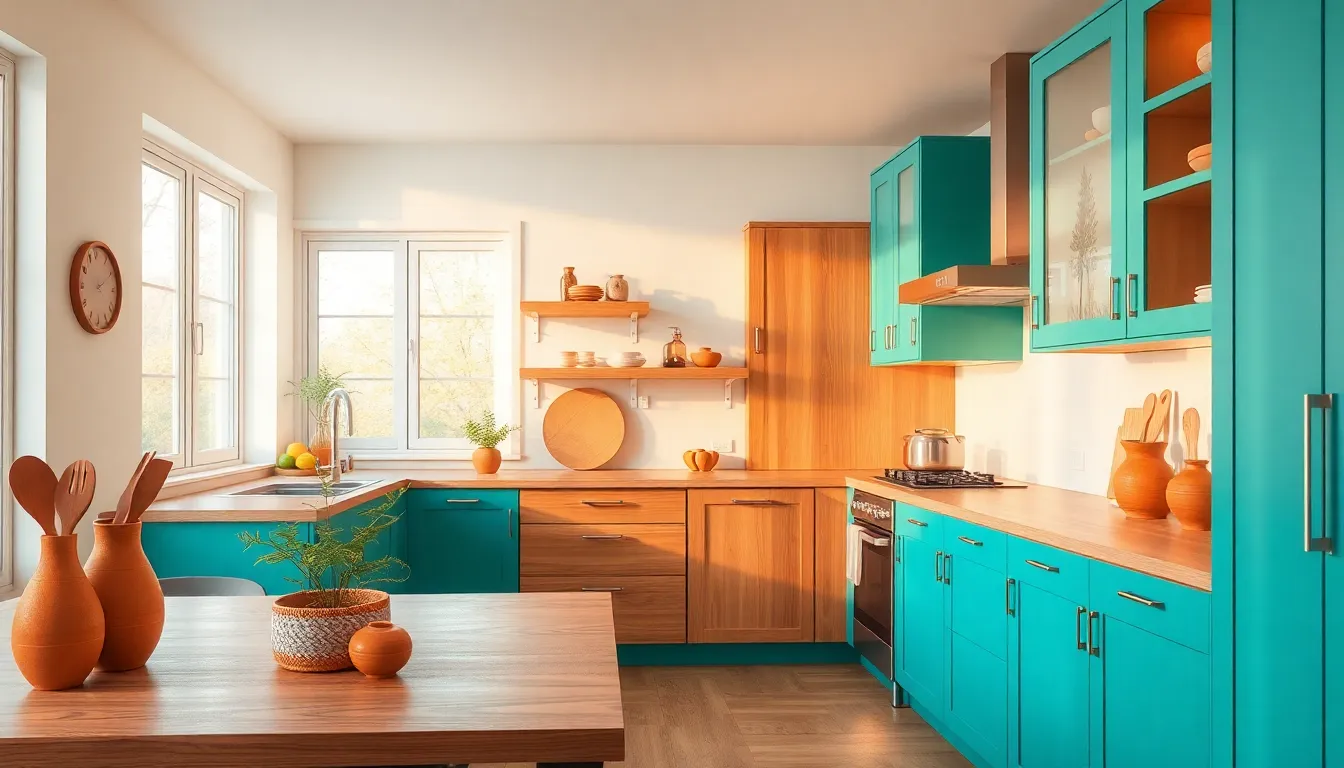
Earthy tones bring warmth and tranquility to kitchens. Colors like terracotta, rich browns, and muted greens create a grounding atmosphere. These shades encourage a connection with nature, often enhancing the overall cooking experience. Popular combinations include soft beige cabinets with olive green walls. This blend fosters a cozy environment while maintaining elegance. Designers recommend incorporating natural materials and textures to complement these hues.
Bold and Bright Colors
Bold and bright colors make a striking impact in contemporary kitchens. Shades such as vibrant red, electric blue, and sunny yellow energize spaces. These colors often become focal points, transforming ordinary kitchens into lively hubs. Accent pieces like bright backsplashes or unique furniture can punctuate these vibrant hues. Mixing bold colors with neutral tones balances intensity and maintains cohesiveness. Homeowners frequently use pops of color in fixtures and accessories to add dynamism without overwhelming the space.
Timeless Kitchen Color Schemes
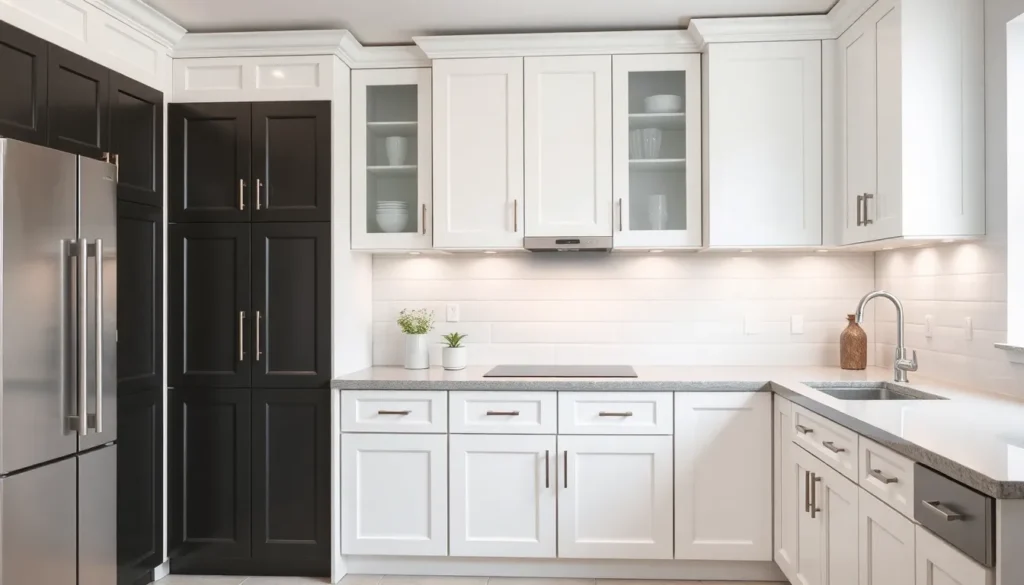
Timeless color schemes remain popular in kitchens, offering lasting appeal and versatility. These choices enhance the ambiance while ensuring design longevity.
Classic White and Gray
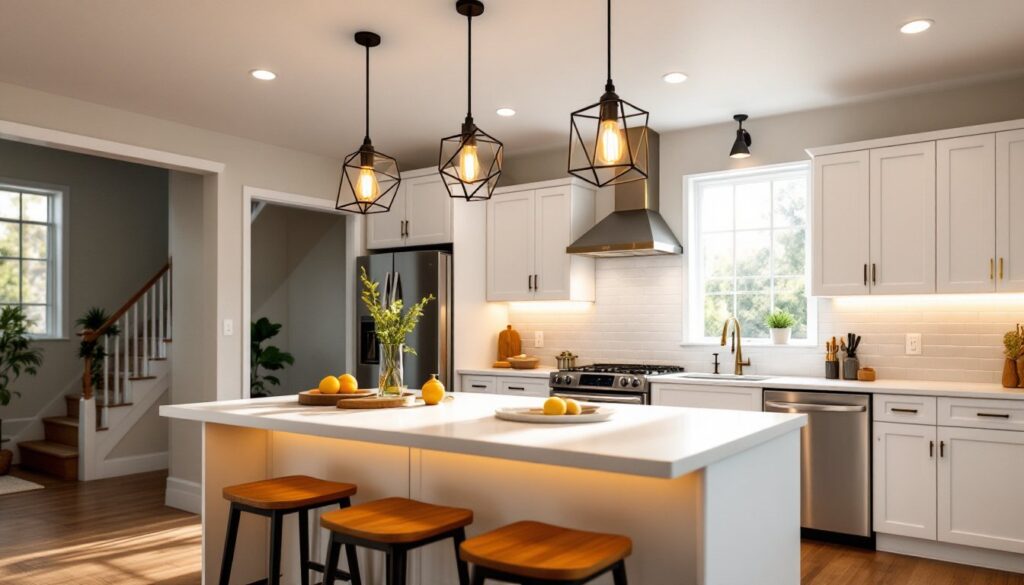
Classic white and gray create a serene kitchen atmosphere. White cabinets provide a clean and fresh look, while gray offers depth and sophistication. Designers often combine glossy finishes with matte options for visual contrast. A white backsplash paired with gray countertops can produce an elegant, cohesive space. This combination adapts well to various styles, from traditional to modern, providing a neutral canvas for accents in brighter hues.
Two-Tone Cabinets
Two-tone cabinets introduce visual interest and character. Pairing dark lower cabinets with lighter upper options anchors the room while maintaining an airy feel. Common combinations include navy and soft white or charcoal and light gray. These contrasts highlight architectural details and can visually elevate the kitchen. Designers suggest using matching hardware across both shades for a seamless transition. This technique enhances organization while adding a contemporary flair to the design.
Seasonally Inspired Kitchen Colors
Seasonal inspiration drives impactful kitchen color choices. Each season brings unique hues that resonate with nature’s cycles.
Spring Pastels
Spring pastel colors, such as soft pinks, pale blues, and mint greens, create a refreshing atmosphere in kitchens. These shades embody renewal and warmth, promoting a sense of tranquility. Mixing pastels with natural wood accents enhances a serene vibe. Light and airy kitchens benefit from these colors, making the space feel inviting. Designers often recommend using pastel cabinetry paired with neutral countertops for balance.
Autumnal Hues
Autumnal hues, like burnt orange, deep reds, and golden yellows, invoke feelings of coziness and warmth. These rich colors reflect the changing leaves, creating a comforting environment in the kitchen. Incorporating these shades through walls, cabinets, or accents can invite an earthy, robust quality. Pairing autumnal colors with natural materials, such as stone or wood, adds depth and texture. Achieving a harmonious look often involves balancing these warm tones with cooler accents to maintain a dynamic yet cohesive space.
Tips for Choosing the Right Colors
Selecting kitchen colors involves considering various factors. Right color choices influence mood and functionality while enhancing the overall design.
Considering Natural Light
Natural light significantly impacts color perception. East-facing kitchens receive warm morning light, making soft pastels appealing. In contrast, west-facing spaces benefit from cooler evening light, which can enhance bolder shades. Analyze how different times of the day affect colors before making final selections. Dark colors absorb light, so they might not work well in smaller, dimly lit kitchens. Instead, opting for lighter shades promotes an airy feel. Assess the window placements and surrounding structures to ensure the chosen hues thrive in the light available.
Pairing Colors Effectively
Effective color pairing can create harmony within the kitchen. Complementary colors, like blue and orange, offer striking contrasts that energize the space. Consider balancing these tones with neutrals to avoid overwhelming the room. Utilizing a color wheel can aid in visualizing color relationships. Combining warm tones, such as terracotta and mustard yellow, for a cohesive look will create an inviting atmosphere. Additionally, integrating textures through materials like wood adds depth and complexity to the color palette. Consistency across fixtures and accessories will enhance the overall design aesthetics.
Embracing the latest kitchen color trends can truly elevate the heart of the home. By thoughtfully selecting colors that resonate with personal style and enhance functionality, homeowners can create spaces that inspire and comfort. Whether opting for earthy tones that connect with nature or bold hues that energize, the right palette sets the mood for daily activities.
Seasonal influences and timeless schemes offer endless possibilities for customization. By considering factors like natural light and effective color pairing, anyone can achieve a harmonious and inviting kitchen. Ultimately, color is more than just a design choice; it’s a way to express individuality and foster a welcoming atmosphere for family and friends.