When it comes to kitchens in Mexico, they’re not just spaces for cooking; they’re vibrant hubs of culture and creativity. Imagine a place where the aroma of sizzling chiles dances through the air, and laughter mingles with the clinking of colorful pottery. In these kitchens, every meal is an opportunity to celebrate life, family, and, of course, mouthwatering food.
Overview of Kitchens in Mexico
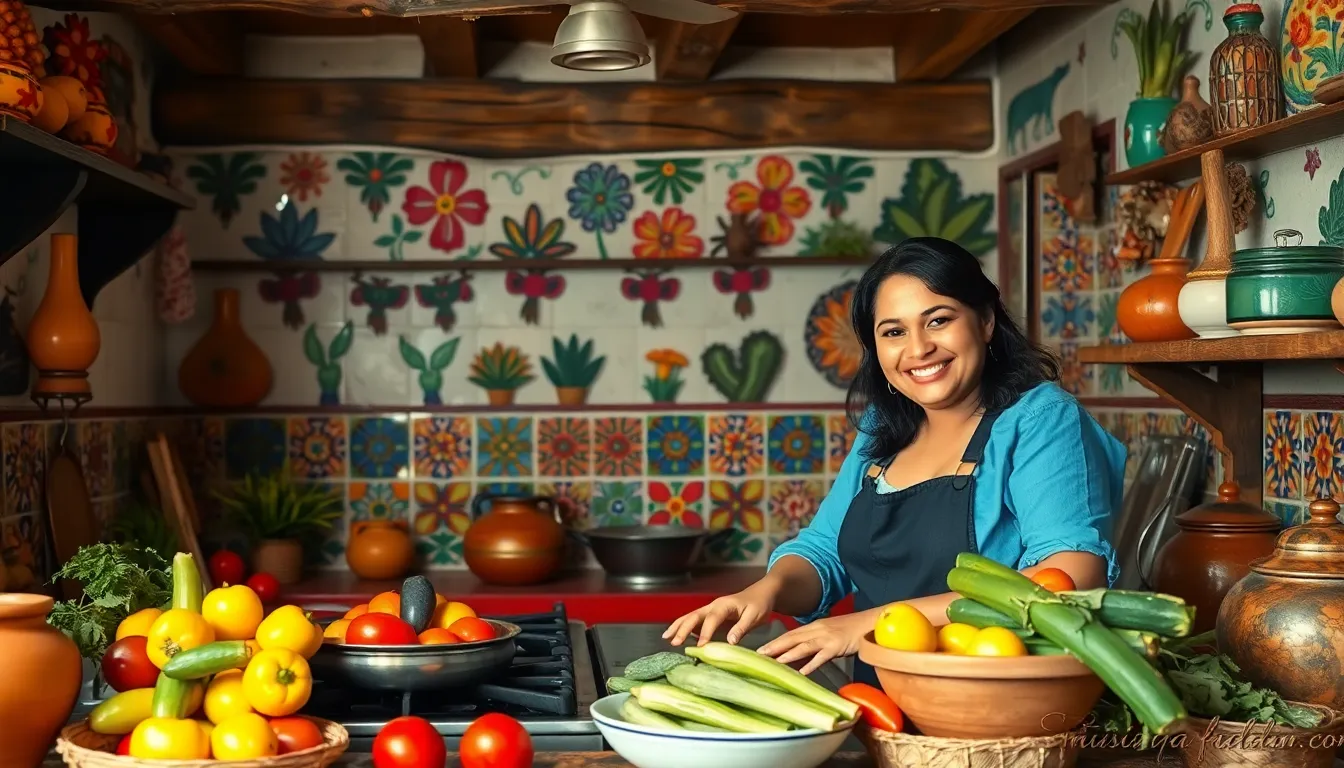
Kitchens in Mexico serve as essential cultural centers, showcasing the country’s rich culinary heritage. The layout of these kitchens often includes open spaces and a communal atmosphere, promoting interaction among family members. Bright colors, vibrant tiles, and handcrafted pottery create an inviting environment, making every meal preparation a shared experience.
Traditional Mexican kitchens feature specific elements. Stoves are typically fuelled by gas, and many families still rely on traditional clay comales for tortillas. These kitchens often house large storage areas, where spices, herbs, and local ingredients are readily available. Families embrace fresh produce from local markets, ensuring their meals are flavorful and nutritious.
Significant gatherings occur in these kitchens. Celebrations, holidays, and everyday meals reflect the deep connection between food and family. Each dish tells a story—whether it’s tamales during holidays or pozole on special occasions. Delicious aromas waft through the air as family members prepare beloved recipes passed down through generations.
Cultural practices also influence kitchen design. Many homes reflect regional differences. In coastal areas, ocean-inspired decor features prominently, while central and northern regions display rustic charm with adobe construction. These variations celebrate the diverse culinary practices throughout Mexico.
Architectural features add uniqueness. Arches, handmade tiles, and colorful murals enhance these spaces, creating a visually stunning backdrop for culinary activities. Each kitchen’s design intertwines functionality and artistry, making cooking an expression of identity.
Kitchens in Mexico exemplify the joy of cooking and the importance of community. They represent much more than cooking spaces; they embody tradition, creativity, and belonging, enriching family life through shared meals and cherished experiences.
Traditional Mexican Kitchen Design
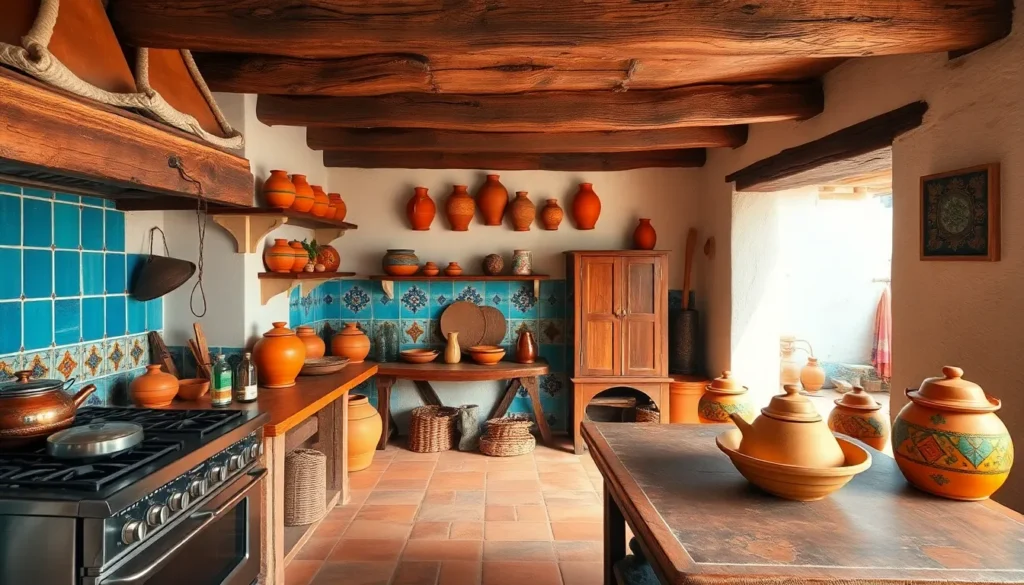
Traditional Mexican kitchens reflect vibrant culture and familial connection. These spaces embody warmth and creativity, emphasizing community and shared meals.
Elements of Traditional Design
Primary elements of traditional designs include rustic furniture, clay pots, and handcrafted tiles. Open layouts foster social interaction, encouraging family members to gather. Often, wooden beams and arched doorways create a casual yet inviting atmosphere. Gas stoves remain popular for their efficiency, while clay comales serve as essential tools for making fresh tortillas. Additionally, the use of local materials ties these kitchens to their specific regions, showcasing unique craftsmanship.
Importance of Color and Texture
Color plays a significant role in conveying the spirit of Mexican kitchens. Bright hues—like cerulean blue, earthy terracotta, and vibrant yellows—capture attention and uplift the mood. Textures also enhance the design, with rough adobe walls providing contrast against smooth ceramics. Hand-painted tiles adorn countertops and backsplashes, adding visual interest and individuality. During festive occasions, these kitchens shine with additional decorations, deepening their connection to culture and tradition.
Modern Kitchens in Mexico
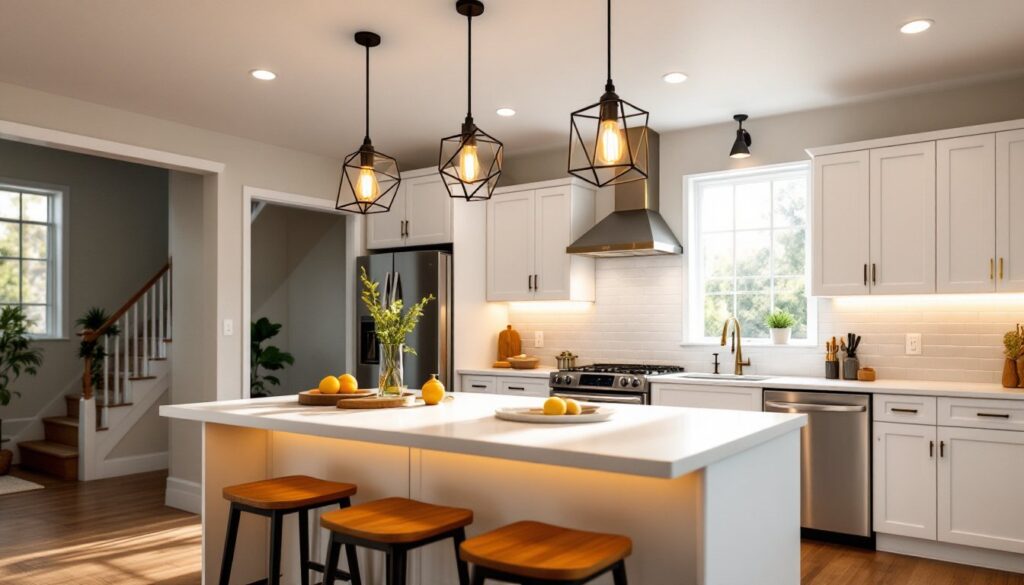
Modern kitchens in Mexico seamlessly blend tradition with contemporary design elements. These spaces prioritize functionality while honoring the country’s rich culinary heritage.
Blending Tradition with Modernity
Many modern Mexican kitchens incorporate traditional design elements alongside innovative appliances. Handcrafted details like talavera tiles coexist with sleek countertops and stainless steel appliances, creating a harmonious balance. Open layouts encourage family interaction while accommodating modern cooking styles. Such designs provide opportunities for entertaining guests, maintaining cultural practices while embracing a contemporary lifestyle. Each kitchen tells a unique story, showcasing regional influences that reflect Mexico’s diverse culture and cuisine.
Popular Materials and Finishes
Ceramic tiles serve as a popular choice in many homes, offering vibrant colors and intricate patterns. Stone countertops bring a touch of elegance while ensuring durability. Wood accents and cabinetry enhance warmth, reflecting traditional craftsmanship. Metal elements, including wrought iron fixtures, add a modern touch while contributing to a rustic charm. These materials ensure kitchens are not only functional but also visually appealing, successfully merging style and practicality in Mexican homes.
Culinary Practices in Mexican Kitchens
Kitchens in Mexico embody rich culinary practices that highlight the nation’s diverse heritage. Essential tools and equipment play a significant role in meal preparation and cooking.
Essential Tools and Equipment
Traditional Mexican kitchens utilize various tools, each enhancing cooking experiences. Clay comales are prevalent for making tortillas, imparting unique flavors. Other staples include molcajetes for grinding spices and salsa, enhancing dish authenticity. Gas stoves often facilitate efficient cooking, while large pots accommodate family-sized meals. Knives and cutting boards ensure preparation ease, reflecting the importance of fresh ingredients. Utensils like wooden spoons and ladles further assist in maintaining traditional flavors, showcasing a commitment to culinary artistry.
Traditional Cooking Techniques
Mexican kitchens excel in employing time-honored cooking techniques. One common method includes slow-cooking meats, infusing them with flavors over several hours. Roasting chilies and tomatoes intensifies their taste, providing a vibrant base for sauces. Steaming tamales wrapped in corn husks retains moisture and enhances texture. Grilling over an open flame offers an authentic flavor profile to meats and vegetables. Additionally, frying plays a crucial role in preparing popular dishes like quesadillas and flautas. Each technique, rooted in history, contributes to the rich tapestry of Mexican cuisine and family traditions.
Regional Variations of Kitchens in Mexico
Kitchens in Mexico exhibit striking regional variations that reflect the diverse culinary traditions across the country.
Coastal vs. Inland Kitchens
Coastal kitchens often emphasize seafood, using fresh fish and shellfish readily available from nearby waters. Brightly colored tiles and nautical decor often fill these spaces, creating a vibrant atmosphere. In contrast, inland kitchens focus on heartier dishes, incorporating ingredients like corn, beans, and meats. Rustic furniture typical of these kitchens showcases traditional craftsmanship, and clay pots remain essential for cooking. Families in coastal regions may favor lighter flavors, while inland cooks often use bold spices, showcasing the contrasts in culinary preferences.
Influences of Indigenous Cultures
Indigenous cultures deeply influence kitchen designs and cooking practices throughout Mexico. Traditions passed down through generations shape culinary techniques and ingredient use. The use of stone tools, such as molcajetes, continues in many kitchens, linking modern cooks to their ancestors. Specifically, regions like Oaxaca highlight indigenous ingredients, such as chocolate and unique varieties of corn. Decorative elements, including woven baskets and traditional pottery, can often be seen in kitchens, further enhancing cultural heritage. Regional ingredients, recipes, and styles collectively celebrate the rich tapestry of Mexican culinary history.
Kitchens in Mexico are more than just places for cooking; they’re vibrant spaces that foster connection and celebrate culture. The blend of traditional and modern elements creates an inviting atmosphere that enhances family interactions. Through shared meals and cherished recipes, these kitchens embody the heart of Mexican life.
Whether rustic or contemporary, each kitchen reflects the unique heritage of its region, showcasing the diversity of culinary practices. The rich aromas and lively gatherings transform cooking into a joyful experience. Ultimately, Mexican kitchens symbolize warmth, creativity, and the deep bonds formed around the dinner table.