Table of Contents
ToggleOutdoor lighting has moved well beyond the basic porch bulb or floodlight. Large outdoor pendant lights have become a go-to choice for homeowners who want to extend their living space outdoors with style and function. These fixtures deliver serious visual impact, illuminate dining and gathering areas effectively, and hold up to weather when chosen correctly. Whether you’re upgrading a covered patio, defining an outdoor dining zone, or adding drama to a pergola, a well-placed large pendant can completely change the way the space feels after dark.
Key Takeaways
- Large outdoor pendant lighting creates visual focal points and fills vertical space while concentrating light downward over dining and gathering areas more effectively than smaller fixtures.
- Calculate the ideal pendant diameter by adding your patio’s length and width in feet, then convert to inches—for example, a 12×14-foot patio calls for a 26-inch diameter fixture.
- Always select large outdoor pendant lights with a wet or damp location UL rating, and prioritize materials like powder-coated steel, aluminum, and tempered glass that withstand moisture and weather exposure.
- Hang pendants 30–36 inches above dining tables and maintain at least 7 feet of clearance in walkways; use heavy-duty ceiling boxes rated for the fixture’s weight (typically 8–20 pounds).
- Proper outdoor electrical installation requires running weather-rated cable, using waterproof connectors, and following local codes—hiring a licensed electrician is essential for new circuits to avoid fire and shock hazards.
Why Large Outdoor Pendant Lights Are a Game-Changer for Exterior Design
Large pendant lights do something smaller fixtures can’t: they fill vertical space and create a focal point that draws the eye upward. This is especially valuable outdoors, where ceilings tend to be high and space can feel undefined without proper anchoring.
From a functional standpoint, pendants concentrate light downward, which is exactly what you want over a dining table, kitchen island, or seating area. Unlike wall sconces or post lights, pendants hang at a height that puts the light source closer to the task surface, improving visibility and reducing glare.
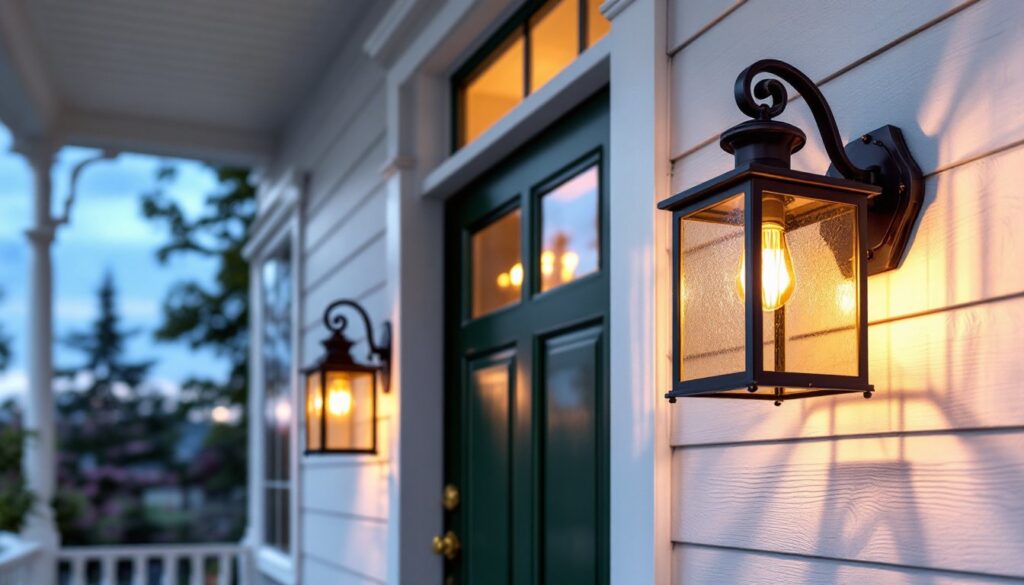
They also add a layer of design continuity between indoor and outdoor spaces. A bronze-finished lantern pendant on a covered porch can echo the same material palette used inside, making the transition seamless. Many homeowners today are treating their patios and outdoor kitchens with the same design consideration as interior rooms, and lighting is a major part of that shift.
Finally, large pendants offer scale versatility. A single oversized fixture can define a 10×12-foot dining area without needing multiple lights, simplifying wiring and installation while delivering a cleaner look.
Choosing the Right Size and Scale for Your Space
Getting the size right is the difference between a pendant that grounds the space and one that feels awkwardly small or overbearing.
A common rule of thumb: measure the length and width of the space in feet, add them together, and convert that sum to inches. That’s a solid starting diameter for a single pendant. For example, a 12×14-foot patio would call for a pendant around 26 inches in diameter. If you’re hanging multiple pendants (say, two over a long table), each can be smaller, typically half to two-thirds of that calculated size.
Hanging height matters just as much. Over a dining table, aim for the bottom of the pendant to hang 30 to 36 inches above the tabletop. In open walkways or general patio areas, maintain at least 7 feet of clearance from the finished floor to the bottom of the fixture to avoid head strikes. For higher ceilings (10 feet or more), you may want to drop the pendant lower using a longer downrod to keep the light effective and visually balanced.
Consider the fixture’s visual weight, too. A lantern-style pendant with an open cage reads lighter than a solid drum shade, even at the same diameter. If your patio has heavy timber beams or stone columns, a more substantial fixture will hold its own. On a minimalist deck with slim posts, go lighter in both size and material density.
Best Locations to Install Large Outdoor Pendant Lighting
Covered Patios and Porches
This is where pendants shine brightest, literally. A covered patio or porch gives you a defined ceiling plane and protection from direct rain, which broadens your material and style options.
Hang a large pendant centered over a seating arrangement or at each end of a long porch for symmetry. If the porch ceiling is tongue-and-groove wood or beadboard, consider routing wiring through the ceiling cavity and mounting with a heavy-duty electrical box rated for ceiling fans (they’re built to handle the weight and vibration). For existing porches without wiring, surface-mounted conduit can be painted to match trim, it’s code-compliant and easier than tearing into finished ceilings.
Make sure your electrical box is rated for the fixture’s weight. Most large outdoor pendants weigh between 8 and 20 pounds, but some wrought iron or thick glass models can exceed that. Check the manufacturer’s spec sheet and use a fan-rated or heavy-duty box if needed.
Outdoor Dining Areas and Pergolas
Pendants are particularly effective over outdoor dining tables. They define the zone, provide task lighting for meals, and create an intimate atmosphere after sunset. For a rectangular table, two pendants spaced evenly along the length work better than a single centered fixture, they distribute light more evenly and avoid a single hot spot.
Pergolas present a unique opportunity. While they don’t offer a solid ceiling, the crossbeams provide natural mounting points. Run weatherproof wiring along the top of the beams or inside if they’re hollow composite material. Use outdoor-rated junction boxes and ensure all connections are protected with weatherproof covers. Some jurisdictions require GFCI protection for outdoor lighting circuits, so check local electrical codes.
If the pergola is far from the house, consider low-voltage lighting (12V) run from a transformer near the main structure. This simplifies installation and reduces shock hazard, though it limits fixture options. Alternatively, a licensed electrician can run UF-B (underground feeder) cable in conduit from your main panel or a subpanel, which allows full 120V fixtures and more flexibility.
Materials and Finishes That Withstand the Elements
Not all pendant lights are built for the outdoors. Look for fixtures with a wet or damp location rating from UL (Underwriters Laboratories). A damp rating is acceptable for covered areas where the fixture won’t be directly exposed to rain. A wet rating is required for pergolas, open patios, or anywhere the fixture can get soaked.
Aluminum and powder-coated steel are workhorses. Aluminum resists corrosion naturally, while powder coating adds a durable, weather-resistant finish to steel. Avoid uncoated steel or iron unless you want a deliberate rust patina, some homeowners embrace the weathered look, but it requires maintenance to prevent structural degradation.
Brass and copper develop a natural patina over time, which many find attractive. If you prefer the original finish, plan to apply a protective lacquer and re-coat every few years. Stainless steel is another solid choice, especially in coastal environments where salt air accelerates corrosion.
For shades and globes, tempered glass and acrylic both hold up well. Tempered glass can handle temperature swings and impacts better than standard glass. Acrylic is lighter and won’t shatter, but it can yellow or scratch over time. Some modern outdoor pendants use powder-coated perforated metal or woven synthetic rattan for a coastal or transitional look, both are durable and shed water easily.
Gaskets and seals matter. Quality outdoor fixtures include silicone or rubber gaskets where the canopy meets the ceiling and around lens covers. These keep moisture out of the electrical components. Cheap fixtures skip this, and water infiltration leads to corrosion, shorts, and fixture failure within a season or two.
Design trends in modern outdoor lighting often emphasize mixed materials, think blackened steel frames with seeded glass or matte black finishes paired with warm brass accents. These combinations work well in outdoor settings and tie into current interior design aesthetics.
Installation Tips and Safety Considerations
Before you start, turn off power at the breaker and use a non-contact voltage tester to confirm the circuit is dead. Outdoor electrical work carries higher risk due to moisture, so take it seriously.
If you’re installing a pendant where no fixture currently exists, you’ll need to run new wiring. This typically means fishing 14/2 or 12/2 NM-B cable (depending on circuit amperage) through the ceiling or attic space, or running exterior-rated cable in conduit along exposed surfaces. For covered patios with accessible attic space above, this is a manageable DIY task if you’re comfortable with basic wiring. For pergolas or detached structures, the work gets more involved, trenching for underground conduit and potentially adding a subpanel or GFCI breaker. Many jurisdictions require a permit and inspection for new outdoor circuits. Don’t skip this: improper outdoor wiring is a fire and shock hazard.
Mount the fixture to a ceiling box rated for the fixture’s weight. Standard plastic “old work” boxes aren’t sufficient for pendants over 5 pounds. Use a metal fan-rated box or a heavy-duty ceiling box with bracing. If you’re mounting to an open-beam ceiling, an adjustable bar hanger can span between joists and provide a solid anchor point.
Make sure to use wire nuts rated for outdoor use or, better yet, waterproof twist-on connectors. Standard indoor wire nuts can trap moisture. All connections should be made inside the junction box, never splice outdoors in open air, even under a cover.
Use a weatherproof canopy that sits flush against the ceiling. Any gap is an entry point for bugs, moisture, and drafts. Caulk around the canopy edge with exterior-grade silicone if the manufacturer allows it (some fixtures have integrated gaskets that do this job).
For bulb selection, stick with LED bulbs rated for outdoor use and enclosed fixtures. LEDs generate far less heat than incandescent or halogen bulbs, which is important in enclosed outdoor fixtures where heat buildup can shorten bulb life and damage wiring. Choose a color temperature between 2700K and 3000K for warm, inviting light that mimics traditional incandescent.
PPE for installation: Safety glasses are non-negotiable when working overhead. A fiberglass or wooden ladder is safer than aluminum when working with electrical, though the circuit should be off. If you’re drilling into stucco, brick, or concrete to mount conduit or boxes, wear a dust mask and ear protection.
If the pendant is going over a frequently used area, especially a dining table, consider installing it on a dimmer switch. Make sure the dimmer is rated for LED if you’re using LED bulbs, and that it’s in a weatherproof box if it’s mounted outdoors. Most dimmers for outdoor use need to be in a covered, weather-resistant enclosure.
Some helpful guidance on selecting the right fixture style and placement can be found in discussions about outdoor entry lighting best practices, which also covers weatherproofing and code considerations. Regional climates play a role too, homeowners in the Southwest and Pacific regions often follow advice from sources like Sunset’s outdoor living guides to match fixtures to local weather patterns and architectural styles.
If you’re not confident in your electrical skills or if the job involves running new circuits, hiring a licensed electrician is the right call. Outdoor wiring mistakes can lead to shocks, fires, and failed inspections that are expensive to fix later.