Table of Contents
ToggleHouston’s long evenings and year-round outdoor living make exterior lighting more than decorative, it’s functional infrastructure. Whether highlighting a heritage oak in the front yard or securing a side gate, the right lighting improves safety, curb appeal, and property value. But Houston’s climate throws curveballs: humidity that corrodes connections, summer storms that test fixture ratings, and enough heat to warp cheap plastic housings. This guide walks homeowners through selecting, installing, and maintaining outdoor lighting that holds up to Gulf Coast conditions without requiring a contractor’s budget or skill set.
Key Takeaways
- Houston’s humidity and salt air demand wet-rated outdoor lighting fixtures with IP65 or IP66 ratings and corrosion-resistant materials like aluminum or stainless steel to prevent premature failure.
- Low-voltage landscape lighting is a manageable DIY project, but line-voltage installations (120V) require permits, inspections, and licensed electrician expertise to ensure safety and code compliance.
- Motion-sensor floods for security should be installed 8–10 feet high and angled downward to cover entry points while keeping light off neighboring properties and reducing glare.
- Regular maintenance including dielectric grease on connections, twice-yearly fixture cleaning, and annual GFCI testing are non-negotiable in Houston’s humid climate to extend outdoor lighting lifespan.
- Choose LED fixtures with thermal management features and remote drivers to handle summer temperatures exceeding 150°F on roof surfaces, and consider surge protection for Gulf Coast thunderstorms.
Why Outdoor Lighting Matters in Houston’s Climate
Houston sits in a climate zone that’s part subtropical, part test lab for outdoor materials. Average relative humidity hovers around 75%, and coastal air carries salt that accelerates corrosion on metal components. Fixtures rated only for dry or damp locations won’t last a season.
Wet-rated fixtures are non-negotiable for any installation exposed to direct rain, eaves, pergolas, and landscape lights without overhead cover. Look for IP65 or IP66 ratings (Ingress Protection standards), which confirm sealed housings against water jets and dust. Aluminum or stainless steel housings resist rust better than plated steel, which flakes under UV and moisture.
Heat’s another factor. Summer roof surfaces hit 150°F+, and black fixtures in direct sun get hotter. LED bulbs handle heat better than incandescents, but cheap drivers and transformers fail early when baked. Choose fixtures with thermal management features, heat sinks, ventilated backs, or remote drivers that sit in cooler locations.
Security matters more in neighborhoods with limited street lighting. Motion-activated floods at garage doors and side gates deter opportunists. But poorly aimed lights create glare that annoys neighbors and actually reduce visibility by causing pupils to constrict. Aim for downward-facing or shielded designs that keep light on your property, not blasting into bedroom windows across the street.
Popular Outdoor Lighting Options for Houston Homes
Houston homes range from mid-century ranch layouts to new-build Mediterranean styles, and lighting choices should match both architecture and yard use. Here’s what works.
Landscape and Garden Lighting
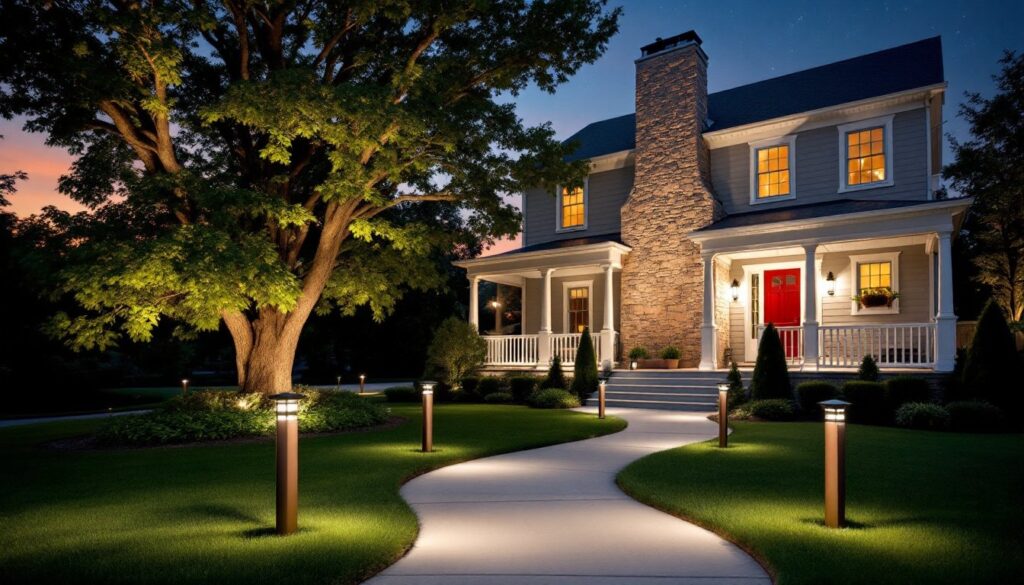
Path lights mark walkways and flower beds. Solar versions are tempting, no wiring, easy install, but Houston’s canopy coverage and cloudy stretches mean inconsistent charging. Low-voltage 12V systems with a plug-in transformer are more reliable. Run 12- or 14-gauge landscape wire (not lamp cord) buried 6 inches deep per local code. Use a 200-watt transformer for a 10-light run: undersizing causes voltage drop and dim bulbs at the far end.
Uplighting works beautifully on live oaks, magnolias, and architectural features like brick columns. Position fixtures 12–24 inches from the trunk and aim upward to graze bark texture. Use narrow-beam LEDs (15–25°) for tall trees, wider beams for shrubs. Avoid burying cans in mulch: use stake mounts for easier repositioning and drainage.
Well lights (in-ground cans) need extra prep in Houston’s clay-heavy soil. Dig oversized holes, add 4 inches of pea gravel for drainage, and slope the surrounding grade away from the fixture. Otherwise, post-rain puddles become mosquito nurseries and short circuits.
Many smart home devices now integrate with landscape lighting, letting homeowners schedule scenes or adjust brightness from phone apps. Systems using Zigbee or Z-Wave protocols work with popular hubs, though they require compatible transformers or controllers.
Security and Motion-Sensor Lights
Motion-sensor floods are the workhorse of perimeter security. Dual-head LED units (1,800–3,000 lumens) cover driveways and backyard entries. Set detection range to 30–50 feet and adjust sensitivity to avoid triggering on possums or blowing branches. Dusk-to-dawn photocells save you from manual switching.
Install sensor heads 8–10 feet high and angle them to cover entry points, not the street. Wire them to a 15-amp circuit (14-gauge Romex minimum). If you’re uncomfortable with line-voltage wiring or need to run new cable through finished walls, hire a licensed electrician, Houston operates under the 2021 International Residential Code (IRC) and National Electrical Code (NEC), and inspections catch DIY shortcuts.
Smart floodlights with cameras (like those reviewed on CNET) combine lighting and surveillance, but they need stable Wi-Fi coverage at the install point. Test signal strength before mounting.
DIY vs. Professional Installation: What Houston Homeowners Should Know
Low-voltage landscape lighting is beginner-friendly. You’ll need wire strippers, a multi-bit screwdriver, a spade or trenching shovel, and silicone-filled wire connectors (not twist-nuts, which corrode outdoors). Most 12V transformers plug into GFCI-protected outdoor outlets, so no electrical permit is required unless you’re adding new receptacles.
Step-by-step for a basic path light run:
- Lay out fixtures along the path using stakes. Space them 8–10 feet apart for even coverage.
- Run cable from the transformer to the farthest fixture, allowing slack at each light for connections.
- Strip ½ inch of insulation from cable ends and fixture leads. Use silicone-filled connectors to join them, crimp firmly and confirm the waterproof gel seals the connection.
- Bury cable 6 inches deep. Mark the trench route with photos or a diagram for future reference.
- Connect the transformer, set the timer or photocell, and test each fixture after dark.
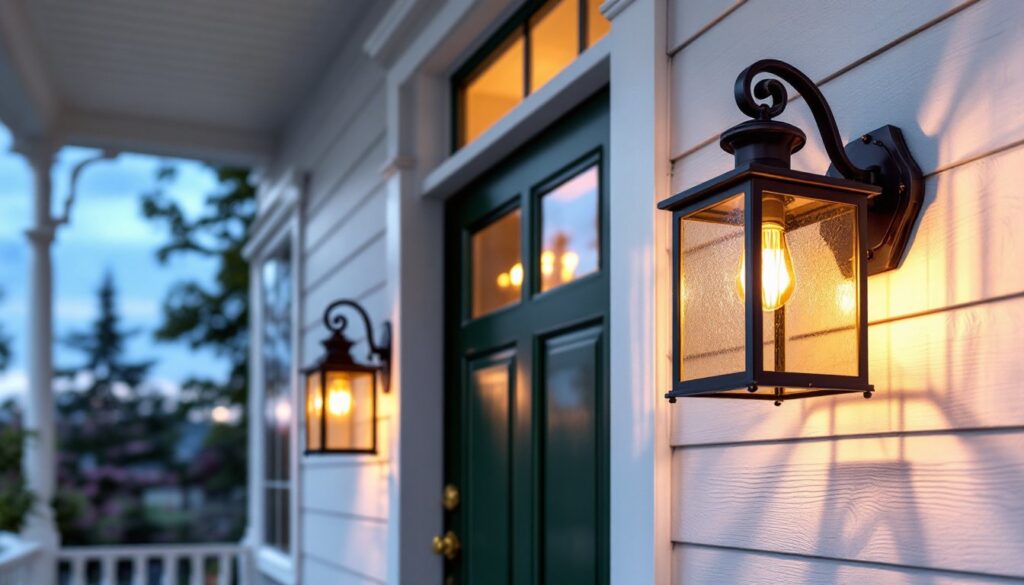
Line-voltage work (120V) is different. If you’re installing wall-mounted sconces, post lights wired to a switch, or running new circuits, you’re subject to permit and inspection requirements in most Houston-area jurisdictions. Mistakes with 120V can cause fires or serious injury. Unless you’ve done residential electrical work before and understand box fill calculations, wire sizing, and GFCI protection rules, hire a pro.
Finding reliable contractors in a metro area this size takes legwork. Start with licensed outdoor lighting specialists who show recent projects, itemized quotes, and proof of insurance. Expect to pay $150–$250 per fixture installed for line-voltage work, less for low-voltage landscape runs where most labor is trenching.
Permit costs in Houston proper run around $35–$75 for minor electrical work, and inspections usually happen within a week. Suburbs and unincorporated Harris County have their own rules, check with your local building department before starting.
Weatherproofing and Maintenance Tips for Houston’s Humid Conditions
Outdoor lighting fails faster in Houston than in Phoenix or Denver, so regular maintenance isn’t optional.
Seal every connection. Use dielectric grease on bulb bases and wire terminals to block moisture. Silicone-filled wire nuts are better than standard ones, but heat-shrink tubing over connectors adds another barrier. Check connections annually and re-seal if you see corrosion (white or green residue).
Clean fixtures twice a year. Pollen, mildew, and bug nests reduce light output and trap moisture. Wipe lenses with a damp microfiber cloth and mild detergent. For metal housings, use a brass or stainless steel cleaner to remove tarnish without scratching.
Check GFCI outlets monthly. Press the test button, confirm the reset button pops out, then reset. If it doesn’t trip, replace the outlet, GFCI protection prevents shock hazards in wet conditions.
Trim vegetation around fixtures. Overgrown shrubs block light and hold moisture against housings, speeding rust. Keep at least 6 inches of clearance on all sides.
Replace LED drivers proactively. If lights flicker or dim unevenly, the driver (transformer for LEDs) may be failing. Drivers typically last 30,000–50,000 hours, but Houston heat shortens that. Buy spares for fixtures no longer under warranty.
Inspect after storms. Check for water inside lenses, loose mounts, or damaged cable. If a fixture filled with water, it’s not truly wet-rated, replace it with a higher IP rating.
Consider surge protection. Gulf Coast thunderstorms produce voltage spikes that fry low-voltage transformers and LED drivers. Plug transformers into surge-protected outdoor outlets or install whole-house surge arrestors at the panel.
Conclusion
Outdoor lighting in Houston isn’t a set-it-and-forget-it project. The climate demands wet-rated fixtures, corrosion-resistant materials, and routine upkeep. Low-voltage landscape systems are well within DIY reach, but line-voltage work often calls for licensed help and permits. Choose components that match your yard’s exposure, and don’t skip the weatherproofing steps that make installations last. Done right, a good lighting plan turns a front yard into a nightly showcase and a backyard into usable space after sunset.