Imagine walking into your home and having it respond to your every whim. With Zigbee home automation, that dream isn’t just a fantasy—it’s reality. This wireless communication protocol lets devices talk to each other, making your home smarter and your life easier. No more fumbling for light switches or struggling with complicated setups.
Zigbee creates a mesh network that connects everything from lights to thermostats, all while sipping energy like a fine wine. It’s like having a personal assistant who never takes a day off. Whether you’re looking to save energy, enhance security, or simply impress your friends with your futuristic pad, Zigbee’s got your back. Get ready to embrace a lifestyle where convenience reigns supreme and your home does the heavy lifting.
What Is Zigbee Home Automation?
Zigbee home automation refers to a wireless communication framework designed for smart devices in homes. This protocol allows different devices to interact seamlessly, forming a network that enhances efficiency and connectivity. Devices such as smart lights, locks, and thermostats communicate through a mesh network, ensuring reliable communication and coverage throughout the home.
A key feature of Zigbee is its low energy consumption. While maintaining functionality, this energy-efficient aspect helps homeowners reduce utility bills. The protocol allows for extensive device connectivity, supporting thousands of devices without sacrificing performance. Interoperability stands out as another advantage, making it easy to integrate products from various manufacturers.
Security remains a priority in Zigbee networks. Robust encryption methods safeguard data transmission among devices, minimizing vulnerabilities in smart environments. Zigbee protocols also offer a reliable range, capable of covering significant distances while minimizing interference.
Homeowners enjoy significant convenience with Zigbee technology. Automating tasks like turning off lights or adjusting temperatures becomes simple with the right setup. User-friendly apps provide centralized control, allowing homeowners to manage devices from anywhere at any time.
Zigbee’s mesh networking capability extends coverage without requiring significant infrastructure. Each device acts as a repeater, enhancing signal strength and reaching far corners of larger homes. This adaptability contributes to the overall appeal of Zigbee for both new and existing automation enthusiasts.
Streamlining everyday tasks while enhancing energy efficiency shapes the Zigbee home automation experience. With its advanced communication protocols and wide-ranging functionalities, Zigbee positions itself as a leading choice in modern home automation solutions.
Benefits of Zigbee Home Automation
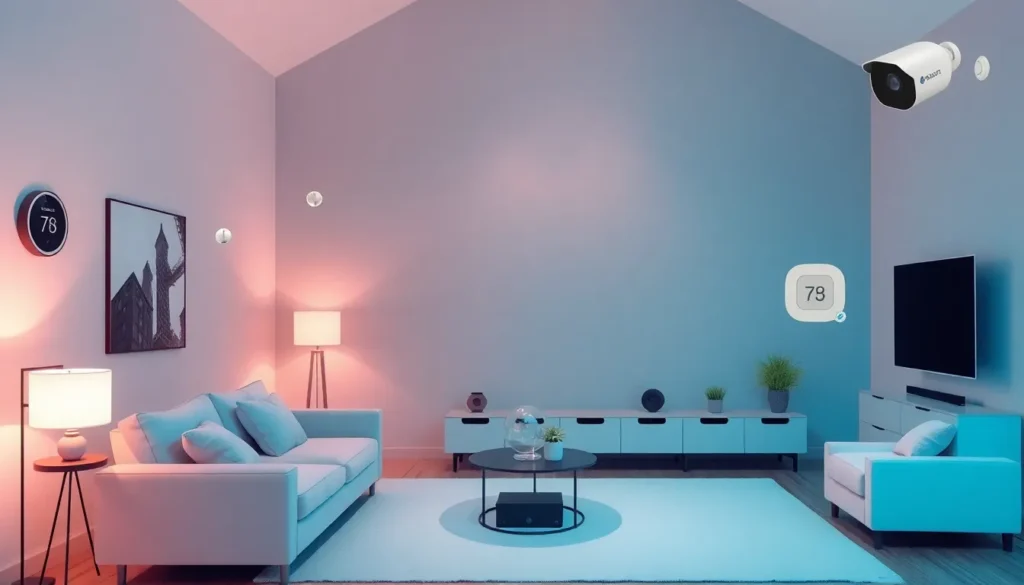
Zigbee home automation offers numerous advantages that enhance the living experience. This technology focuses on energy efficiency, enhanced security, and ease of use.
Energy Efficiency
Devices utilizing Zigbee consume minimal power, reducing energy bills significantly. The protocol supports multiple connected devices without draining resources, promoting sustainability. Many homeowners appreciate the ability to automate energy-saving routines, like adjusting thermostats based on occupancy. Efficiency extends to long battery life for devices, which minimizes replacement costs. Zigbee systems seamlessly integrate with existing appliances, ensuring energy optimization across the board.
Enhanced Security
Zigbee employs robust encryption methods to safeguard user data during transmission. Security features minimize vulnerabilities, providing peace of mind to users. The system’s mesh network structure increases resilience against hacking attempts, as signals bounce between devices, complicating interception. Owners gain control over their home environment, with remote access capabilities ensuring consistent security monitoring. Regular updates maintain system integrity, adapting to emerging threats effectively.
Ease of Use
User-friendly apps facilitate intuitive control over various devices linked through Zigbee. Homeowners appreciate the flexibility of managing devices from different manufacturers within one ecosystem. Simple automation setups enable quick configurations, like scheduling lights to turn on or off. The interface allows for voice activation through compatible smart speakers, enhancing convenience. Overall, Zigbee provides an accessible entry point for both novices and seasoned automation enthusiasts.
How Zigbee Works
Zigbee operates as a reliable communication protocol for smart home devices. This method enables seamless interaction among various devices, enhancing overall efficiency.
Zigbee Protocol
Zigbee functions on the IEEE 802.15.4 standard, which defines low-power, wireless personal area networks. Devices typically communicate using radio frequencies in the 2.4 GHz band, providing extensive coverage. By using mesh networking, Zigbee allows devices to relay information, extending the range without additional equipment. Each device can act as a node, passing data to others, which improves connectivity in larger homes. This protocol emphasizes energy efficiency, allowing devices to function for years on small batteries. Zigbee supports numerous devices, with thousands possible on a single network, ensuring comprehensive home automation solutions.
Network Topology
Zigbee employs a unique network topology that supports flexible device connections. The mesh topology allows devices to connect directly to one another, forming a decentralized communication structure. Devices can communicate even when some are out of range, thanks to relay capabilities. Coordination occurs through a central coordinator that manages the network’s operation and device communications. Networks adapt dynamically to changes, adding or removing devices without disruption. This flexibility significantly enhances reliability and user experience in smart homes, accommodating diverse devices and configurations.
Popular Zigbee Devices
Zigbee devices enhance home automation through connectivity and interoperability. A wide range of options is available that cater to various needs.
Smart Lights
Smart lights offer customizable brightness and color settings, providing convenience and ambiance control. Brands like Philips Hue and Sengled deliver Zigbee-compatible lighting solutions for seamless integration. Homeowners can schedule lighting to mimic natural patterns or set it to activate with other devices, creating a dynamic environment. Energy efficiency plays a critical role as these lights use significantly less power than traditional bulbs, contributing to utility cost reduction.
Smart Thermostats
Smart thermostats optimize heating and cooling systems, allowing users to maintain comfortable indoor temperatures efficiently. Devices like the Ecobee and Honeywell Home integrate with Zigbee networks, enabling remote adjustments via smartphone apps. Automation features allow scheduling based on personal preferences or weather patterns, further enhancing energy savings. Data analysis helps to refine usage habits, leading to more efficient energy use and reduced bills.
Smart Sensors
Smart sensors monitor various environmental parameters, contributing to enhanced home security and efficiency. Motion detectors and door/window sensors from brands like Aqara and SmartThings connect flawlessly through Zigbee. Notifications alert homeowners to unusual activity or environmental changes, fostering proactive management of the home. Temperature and humidity sensors also assist in maintaining ideal conditions, ensuring comfort and protecting valuable items from damage.
Setting Up Zigbee Home Automation
Setting up Zigbee home automation efficiently enhances convenience and security within a household. Understanding key components simplifies the process.
Choosing the Right Hub
Selecting an appropriate Zigbee hub significantly impacts device compatibility and performance. Some popular options include the Amazon Echo Plus, SmartThings Hub, and Hubitat Elevation. Excellent hubs support a wide range of Zigbee devices while offering user-friendly interfaces. Extensive connectivity features streamline integration, making it easier to manage various products. Reviewing the specifications of each hub ensures compatibility with desired devices, which maximizes investment. Comparing features and user feedback can help in making an informed choice.
Connecting Devices
Connecting Zigbee devices involves a straightforward process that promotes seamless communication. Begin by ensuring that the hub is set up and powered on. Adding devices typically requires entering pairing mode, which varies among manufacturers. For instance, tapping a button on a smart light often initiates this mode. Device discovery features in hubs simplify the process, allowing users to locate and connect devices within moments. Each successfully connected device enhances the home network’s functionality, providing endless automation possibilities. Regular firmware updates ensure optimal performance and security for all connected devices.
Zigbee home automation stands out as a powerful solution for creating a connected and efficient living environment. Its energy-saving capabilities and robust security features make it an attractive choice for homeowners looking to enhance their daily lives. The flexibility of its mesh network ensures that devices communicate seamlessly, even in larger homes.
With a variety of compatible devices available, users can easily customize their setups to meet specific needs. As more individuals embrace smart home technology, Zigbee continues to prove itself as a reliable and user-friendly option for automation. Embracing Zigbee can lead to a more convenient and sustainable lifestyle while enjoying the benefits of modern technology.